Traveling in Japan can be both exciting and overwhelming. The country is incredibly organized yet full of unspoken rules, and even the simplest things like navigating train lines, finding trash cans, or paying for meals can feel confusing at first. With so much to see and do, it’s easy to miss small details that can make your trip smoother and more enjoyable.
After countless trips and many months traveling across Japan, we’ve learned many tricks to travel here with less stress. From staying connected and booking trains to planning restaurant reservations and day trips, these are the practical tips we rely on every time we visit. Whether you’re visiting Japan for the first time or returning for another adventure, this guide will help you explore with confidence and ease.
Just a heads up: Some of the links on this site are affiliate links, which means we might earn a small commission if you book or buy through them at no extra cost to you. We only share things we genuinely love, use, or would recommend to our closest friends. All opinions are 100% our own.
Bonus: Use code ANGKLOOK or ANGELIAKLOOK on Klook for 10% off if you’re a new user, or for 3% off if you’re an existing one for all of the Klook links!
1. 💰 Make Sure You Have Cash
Japan might be one of the most technologically advanced countries in the world, but cash is still king here. Many small shops, restaurants, temples, and even local attractions don’t accept credit cards, especially outside major cities. Having some yen on hand will make your trip much smoother. Whether you’re getting a meal at small restaurants, taking a taxi, paying for admission at smaller spots, or topping up your transportation cards.
💡 Withdraw or Exchange Smartly:
- Most 7-Eleven, Lawson, Family Mart, and Japan Post offices have ATMs that accept foreign cards with reasonable fees (around ¥110–¥300) and solid exchange rates. Just double-check your bank’s policy to avoid extra overseas charges.
- If your card charges a fixed withdrawal fee, try to take out a larger amount at once instead of multiple smaller transactions to save on repeated fixed fees.
💴 Our Go-to:
- Shops right next to Omoide Yokocho in Shinjuku, Tokyo, have some of the best rates we’ve seen. We’ve also liked Namba Currency Exchange and Ticket Zone Co. in Osaka or MUFG bank at Shijo Karasuma in Kyoto. Make sure to compare exchange rates for your currency and check if they have commission fees!
🛬 Tip: Don’t Exchange Too Much at the Airport
- Airport exchange counters are convenient but usually have poor rates and higher service fees. If you need yen right away, exchange only a small amount to get you started for transport or your first meal. Once you reach the city, you’ll find far better rates at ATMs or local money exchange shops.
2. 📲 Get an eSIM Before You Land
Set up your eSIM before your trip so you’ll have data the moment you land. It makes it easier to access train maps, translations, and mobile payments without stressing or wasting time at the airport.
✅ Before Flying: Set up your eSIM from home so everything’s ready before arriving in Japan. Then all you have to do is activate it when you get in!
✅ Our Go-to: We always use Holafly because our signal has been the most reliable of all the SIMs we’ve tried so far. They also have unlimited data plans, which are perfect for navigating, watching videos, and even uploading content on the go.
💡 Bonus: Use our code HELLOANG for 5% off when getting your Holafly eSIM plan.
3. 📲 Add Your IC Card (Suica/Pasmo) to Your Mobile Wallet
Getting around Japan’s cities is incredibly convenient once you have an IC card. It’s a rechargeable transportation card used for trains, subways, and buses in most major cities. You can also use it at convenience stores and vending machines. All major IC cards can be used the same interchangeably (i.e. ICOCA from Osaka works the same as Suica in Tokyo, vice versa)
✅ Most Popular Ones: Suica and Pasmo (Tokyo), ICOCA (Osaka),
✅ Why Add It to Your Mobile Wallet:
- Tap to enter or exit stations without taking your wallet or purse out.
- Top up instantly using a credit card, no need to find a machine or carry cash.
- You can still tap it even if your phone runs out of battery.
💡 Tip: Mobile IC cards are currently supported only on iPhones for foreign users. If you have an Android phone, you can easily get a physical IC card through Klook and pick it up when you arrive at Haneda or Narita Airport.
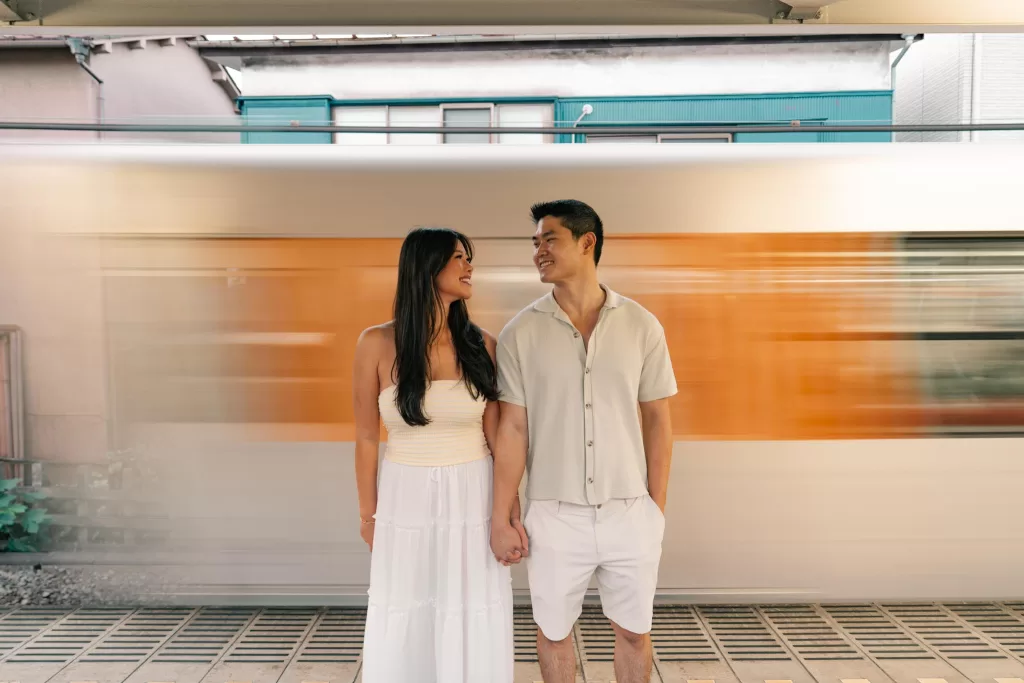
4. 🚐 Get Airport Transfers for Easier Transit
Hauling luggage on Japan’s trains and through the city can be a headache, so now we book an airport transfer to reach our hotel or the airport when we have too much luggage (especially when we buy too much stuff at Don Quijote).
5. 🚅 How to Make the Most of Your Shinkansen Ride
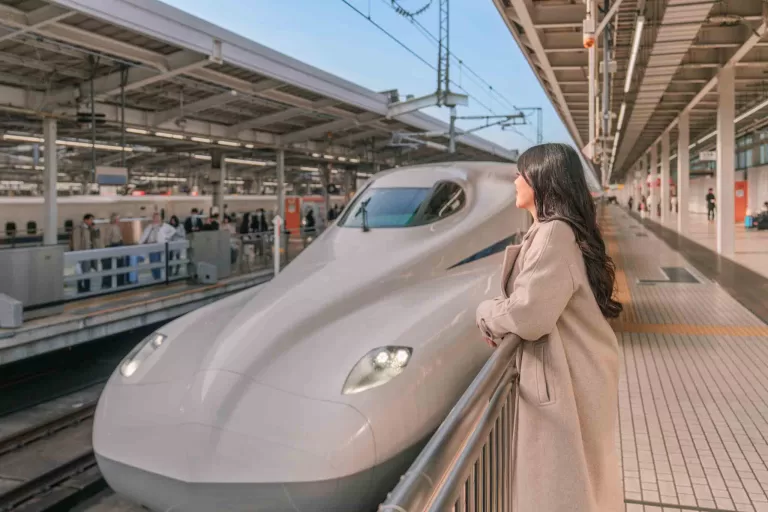
Riding the Shinkansen isn’t just a way to get from one city to another; it’s one of the most iconic experiences in Japan. Unlike the local trains and subways you’ll use within cities like Tokyo or Osaka, the Shinkansen is Japan’s high-speed bullet train that connects major regions across the country in record time. It’s clean, quiet, incredibly punctual, and offers some of the most scenic views in Japan, including the chance to spot Mt. Fuji along the way. Knowing how to book smartly and plan ahead can help you save money, travel comfortably, and make the most of every ride.
🚄 Where to Book: Reserve Shinkansen (bullet train) tickets in English on Klook. It’s easy to use, customizable, and lets you skip station ticket lines.
💺 Best Seat for Mt. Fuji Views: Even if you’re taking time to visit Mt. Fuji, there’s a good chance you might not see it due to clouds. So take every chance you can to see it, like from the shinkansen.
- Tokyo → Kyoto/Osaka: Sit on the right-hand side to see Mt. Fuji (about 30–45 minutes after departure, depending on departing station).
- Kyoto/Osaka → Tokyo: Sit on the left-hand side for Mt. Fuji views (after Shizuoka station).
🎟 JR Pass or Individual Tickets: The JR Pass only pays off if you’re doing multiple long-distance trips (like Tokyo – Kyoto – Osaka – Hiroshima). For shorter stays, individual tickets are often cheaper.
🍱 Grab an Ekiben (Train Bento) Before Boarding: These beautifully packed meals are a must-try part of the Shinkansen experience, and you can get them at the train station before you leave! We definitely recommend getting one since the Shinkansen rides usually take a few hours.
🧳 Luggage Tip: Space for luggage on Shinkansen is limited, especially if you have more than two pieces, so reserve baggage storage in advance. You can choose the option with more luggage space on Klook!
⏱ Pro Tip: Trains are punctual down to the minute! Arrive early to find your train and line up at the right platform number and train car.
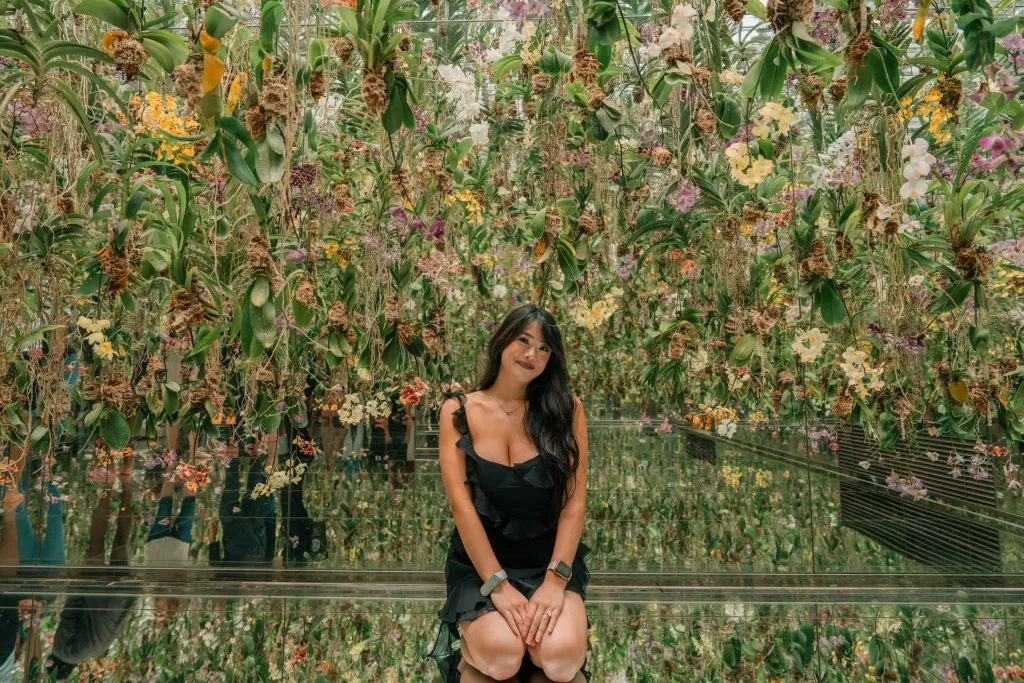
6. ⏰ Book Popular Experiences Early
Many of Japan’s most iconic spots require reservations weeks in advance. Set reminders and book the moment reservations open to secure your preferred dates and times.
1. teamLab Planets / Borderless: Opens about 4 weeks ahead. Book early for the first time slots with fewer crowds.
2. Shibuya Sky: Opens 2 weeks ahead at midnight JST. The best time is about 1 hour before sunset.
3. Ghibli Museum: Tickets go on sale on the 10th of each month at 10AM JST for the following month, and they sell out fast!
4. Pokémon Café (Tokyo): Reservations open 30 days in advance at 6PM JST, their slots sell out within minutes.
5. Kirby Café (Tokyo): Opens about 1 month ahead. Seats often sell out the same day!
7. 🍽️ Make Restaurant Reservations in Advance
Japan’s dining scene is world-famous, but so are the lines. Between queuing for attractions and popular restaurants, you’ll often need to choose one.
To make the most of your trip, book as many sought-after restaurants as you can in advance, since many only seat a limited number of guests per day.
👇 Here are some must-try spots worth reserving early:
★ Tokyo
1. Hikiniku to Come (Shibuya): Famous for its perfectly grilled minced-meat hamburg steak cooked right in front of you. Reservations are a must.
2. Ramenya Shima (Shinjuku): One of Tokyo’s highest-rated ramen shops, known for its rich shoyu broth and handmade noodles.
3. Rare Tendon Ginza (Ginza): A modern twist on tempura rice bowls, featuring rare wagyu beef and crisp tempura.
4. Pizza Marumo (Nakameguro): A cozy, hidden-gem pizza bar that combines Japanese precision with Neapolitan-style pizza.
5. Bar Centifolia (Ebisu): A viral floral-themed cocktail bar with bartenders who perform cool tricks. If online reservations are full, you can book in-person when they open like we did (It’s best to come a few days early since spots fill up quickly!)
★ Kyoto
6. Kichi Kichi Omurice (Kyoto): A tiny Kyoto institution known for its theatrical chef and famously fluffy omurice.
⚠️ Reservations open on the official website and sell out within seconds, so check their reservation details! It’s one of the hardest tables to get in Japan.
7. Arashiyama Itsukichaya (Kyoto): A riverside café and restaurant offering scenic views of the Togetsukyo Bridge and seasonal Japanese meals, perfect after visiting the bamboo grove.
💡Pro tip: Most restaurants open bookings on Omakase, TableCheck, or Pocket Concierge about 2–4 weeks in advance, and peak slots disappear fast, so set reminders and reserve the moment they open!
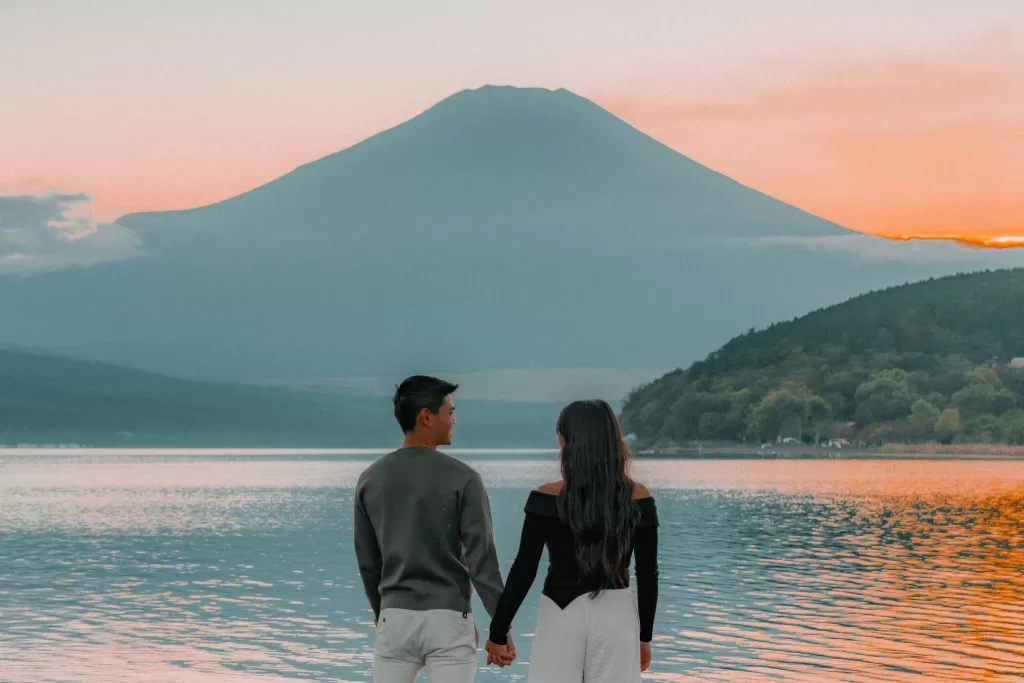
8. 🚗 Day Trips Made Easy
Some of our favorite places in Japan weren’t the big cities but the destinations just outside them. Taking a day trip gives you a completely different side of Japan, from peaceful temples and mountain hot springs to charming seaside towns and scenic countryside views. With Japan’s efficient transport network and well-organized tours, exploring beyond Tokyo, Kyoto, or Osaka is easy and incredibly rewarding.
🏞 Some of Our Favorite Day Trips:
★ From Tokyo
- Mt. Fuji & Hakone: Take in stunning views of Mount Fuji, stroll along Lake Ashi with its iconic torii gate, and explore the peaceful Hakone Shrine.
- Yokohama: A lively port city with a beautiful waterfront, historic Red Brick Warehouse, vibrant Chinatown, and great city views from the Yokohama Air Cabin.
- Kamakura & Enoshima: Explore historic temples and the Great Buddha, wander along Enoshima’s charming coastal streets, and take in scenic ocean views.
★ From Kyoto/Osaka
- Nara & Arashiyama: Visit the friendly deer in Nara Park, Todaiji Temple, and enjoy bamboo groves and riverside walks in Arashiyama.
- Amanohashidate and Ine: A scenic combo in northern Kyoto. Walk along Amanohashidate’s famous “bridge to heaven” sandbar, then visit Ine, a charming fishing village with boathouse-style homes along the water.
- Himeji: Explore the iconic Himeji Castle and wander its gardens, then take in the beautiful views of Himeji from Mt. Rokko.
You can book these English-guided day tours on Klook to skip the stress of planning attractions and transportation.
👉 Check out our 10 Best Day Trips in Japan for a detailed guide on what to see and do on each trip!
✅ Rent a Car: You can rent a car on Klook to explore destinations that are harder to reach by train.
9. 🗑️ Carry Around a Small Trash Bag
Trash cans are surprisingly hard to find in Japan. After the 1990s, many public bins were removed for security and cleanliness reasons, and today you’ll rarely see them on streets or in parks.
Carry a small reusable or disposable trash bag during the day to hold wrappers, cups, or tissues until you find a bin, usually near convenience stores, train stations, or public restrooms. Most convenience stores only accept trash from items purchased there, so avoid throwing away waste from other places. If not, wait until you get back to your hotel to empty your trash. It’s a small habit that keeps things tidy and shows respect for Japan’s clean and mindful culture.
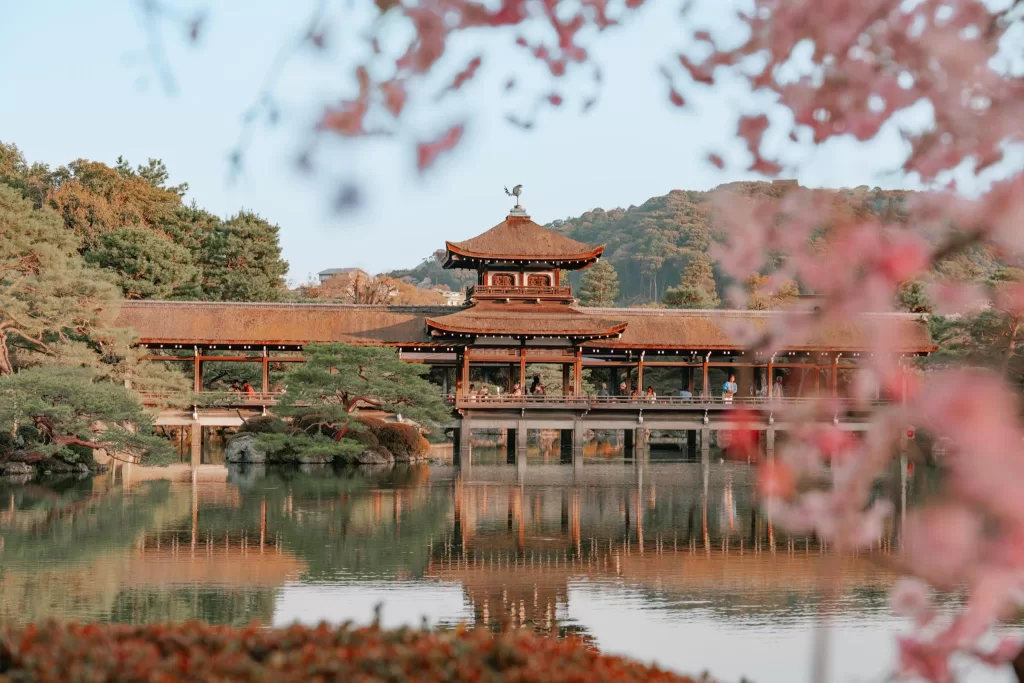
10. 🌸 Visit During Cherry Blossom Season
Experiencing Japan during cherry blossom season is truly unforgettable and our favorite time to visit. The entire country transforms into shades of pink, but catching peak bloom takes careful planning (and a little luck).
📅 When To Go: Typically late March to early April for regions like Tokyo, Kyoto, and Osaka.
🔖 Timing Varies: Even with forecasts, bloom dates shift depending on the weather and can be completely off from predictions.
📍 Regional Differences: Blossoms start in the south (Kyushu, Hiroshima) and gradually move north (Tokyo → Kyoto → Tohoku → Hokkaido) over several weeks.
🌸 Varieties of Sakura: Some bloom earlier or later depending on the type. For example, Kawazu-zakura can bloom as early as February, while Somei Yoshino usually peaks in April.
💡Pro tip: Check the Japan Weather Association’s forecast, follow local updates, book accommodations and hotels 3–4 months ahead, since it’s Japan’s busiest season, with bigger crowds and higher prices!
🔖 Bookmark this before your Japan trip! These are the travel habits and tips we actually use on every Japan trip to fully enjoy the fun and beauty of the country, and we hope they help you get around, eat well, and explore with ease too! ✨
– Angelia & Chris