
Mt. Fuji is one of those places that feels unreal the second you see it. It’s absolutely breathtaking, and it honestly feels like you’re stepping into a real-life postcard. Whether you’re here for the iconic views, cozy onsens, cute lakeside towns, or all the good food around the Fuji Five Lakes area, this guide breaks down everything you need to know so you can make the most of your trip.
We’ll walk you through how to get there, where to stay, what to eat, the best things to do, and how to catch those clear Mt. Fuji views that everyone dreams about. Super simple, super helpful, and packed with tips we wish we knew earlier.
If you’re visiting Tokyo, Mt. Fuji is also the perfect day trip or overnight getaway. Check out our 2-Week Japan Itinerary and 10 Must-Know Tips for Traveling Japan blogs for advice on getting around the city before you head out to catch those epic Fuji views.
Just a heads up: Some of the links on this site are affiliate links, which means we might earn a small commission if you book or buy through them at no extra cost to you. We only share things we genuinely love, use, or would recommend to our closest friends.
💡 Bonus: Use code ANGKLOOKor ANGELIAKLOOKon Klookfor 10% off if you’re a new user or 3% off if you’re an existing one.
Overview
✈️ Getting to Mt. Fuji
🚇 How to Get Around Mt. Fuji
🏨 Where to Stay in Mt. Fuji
🛏 Recommended Hotels
📅 How Long to Stay in Mt. Fuji
🎯 Top Things to Do
☁️ Top Things to Do When Mt. Fuji is Cloudy
🍣 What to Eat in Mt. Fuji
🗓 Best Time to Visit
🛍 Where to Shop
🧭 General Tips for Visiting Mt. Fuji
✨ Final Thoughts
✈️ Getting to Mt. Fuji
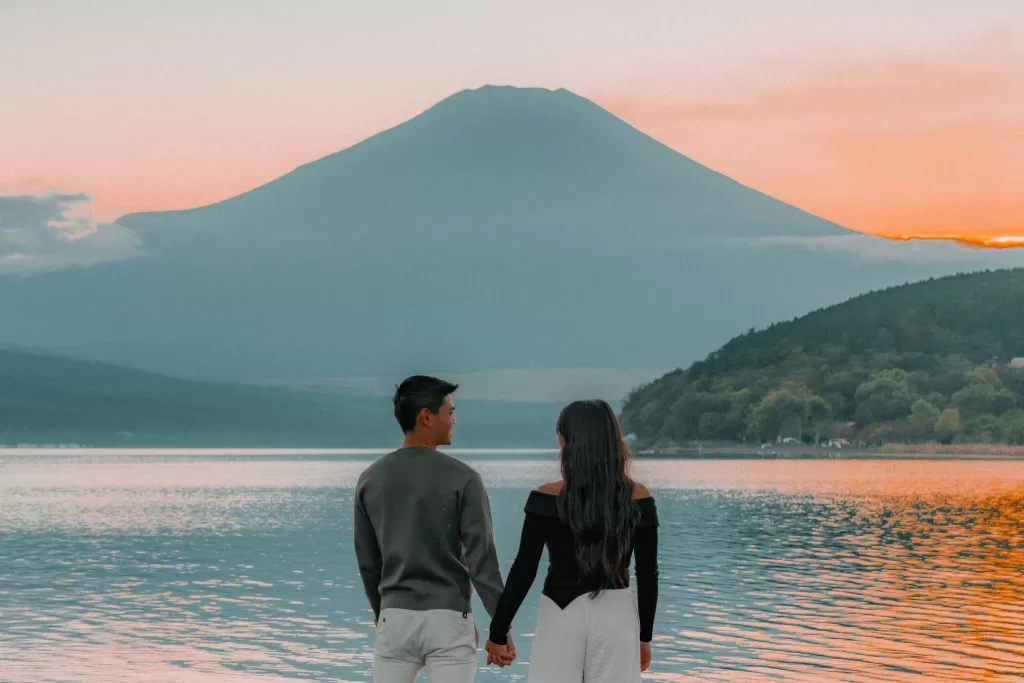
Mt. Fuji doesn’t have its own airport, so most visitors arrive via Tokyo, the nearest major city in the Golden Triangle of Tokyo, Kyoto, and Osaka. Here are several convenient ways you can reach Mt. Fuji from Tokyo:
| Mode | Details |
| By Car 🚗 | Rent a car and drive from Tokyo via the Chuo Expressway (around 2–3 hours). A flexible way to explore, though traffic can be heavy on weekends and peak seasons. |
| By Train 🚄 | From Tokyo, take JR Chuo Line to Otsuki Station (about 2 hours), then transfer to the Fujikyu Railway to reach Kawaguchiko Station. |
| By Bus 🚌 | If you want something easy and direct, there are highway buses from Shinjuku, Tokyo Station, and Shibuya straight to the Fuji Five Lakes area or the Mt. Fuji 5th Station (around 2–2.5 hours). |
🚇 How to Get Around Mt. Fuji
Public transport is available around Mt. Fuji, but not very frequent in every area. Here are some ways to get around, depending on your pace and where you want to go.
- (Our Top Recommendation!) Car: The best way to explore is by rental car (book with Trip.com here!). A car lets you visit areas in the south and nearby attractions at your own pace.
- Train: You can take a train, but there are limited local trains for getting around the area.
- Buses: Buses are available, but very few and don’t run that frequently. They work if you’re staying around Fujiyoshida, but it can be difficult to reach other areas west and south of Mt. Fuji.
- Taxis: Taxis can be used for short trips, but they’re expensive and may be hard to find in remote areas. Availability can also be an issue depending on your route.
- Day tour from Tokyo: Taking a guided tour to Mt. Fuji is a great option if you want to skip the hassle of transportation and planning.
🏨 Where to Stay in Mt. Fuji
Finding the right area to stay makes a big difference, since Mt. Fuji is only fully visible on certain days, usually clearest in the early morning. Staying somewhere with a good view gives you a chance to catch the mountain before it gets covered by clouds.
Most travelers stay north, around Fujiyoshida and Lake Kawaguchi/Yamanaka, since it’s close to the train station, main attractions, and the best photo spots. Plus, this side faces the mountain directly, so the views hit different.
Here are the top neighbourhoods to consider for your stay based on travel priorities:
- Fujiyoshida: Convenient for easy access to shops, restaurants, and sights like the Chureito Pagoda. You get the mix of town life while still being close to Mt. Fuji.
- Lake Kawaguchi: Popular spot for Mt. Fuji views, easy access to the Fuji Five Lakes area, lively with restaurants, hotels, and transport stations.
- Lake Yamanaka: Quieter and more relaxed, ideal for lakeside activities, enjoying nature, open space, with fewer crowds.
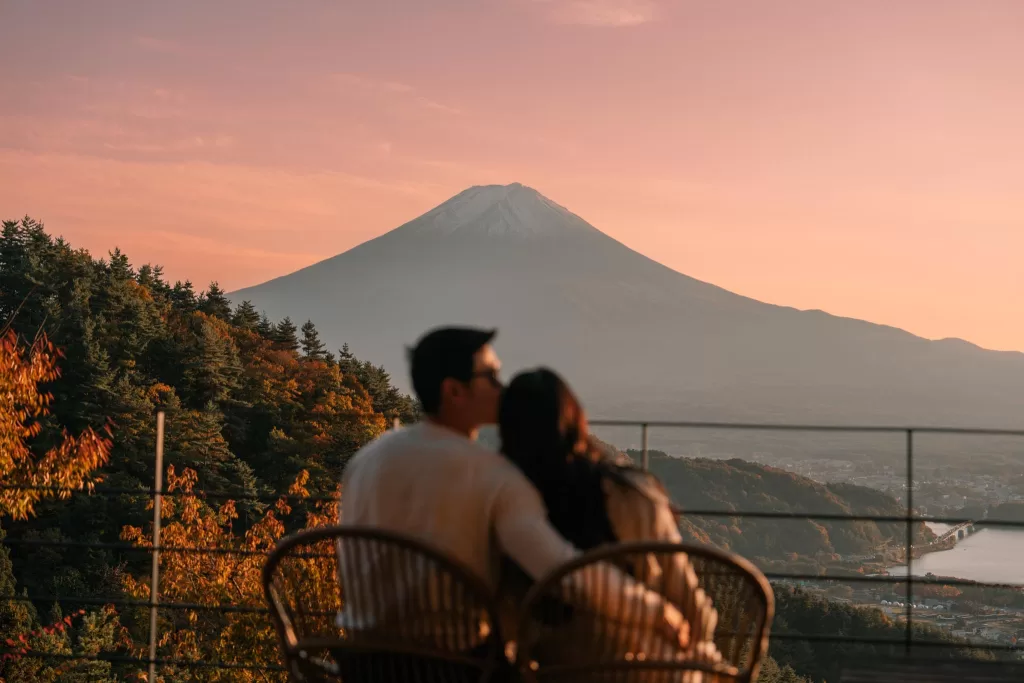
- Hotels with Mt. Fuji views: Waking up to Mt. Fuji is pure magic, especially in the morning when it’s usually clear with fewer clouds. Most lakeside hotels around Kawaguchiko and Yamanaka have rooms or terraces with great views.
💡 For the best views, aim for hotels at the north bank of Lake Kawaguchi; if not available, the east side has a few options too.
🛏 Recommended Hotels
- La Vista Fuji Kawaguchiko, Fujikawaguchiko – Stylish lakeside resort situated in the Fuji Five Lakes region, with hot springs and sweeping elevated views of Lake Kawaguchi and Mount Fuji.
- HOTEL MYSTAYS Fuji Onsen Resort, Fujiyoshida – Resort-style stay with onsen baths and panoramic Mt Fuji views, close to Fuji-Q Highland.
- Fuji Granvilla, Fujiyoshida – Upscale villa-style stay with Mt. Fuji views, hot springs, suitable for families or groups.
- Highland Resort Hotel & Spa, Kawaguchiko – Stunning Mt. Fuji views from rooms and dining, with easy access to Fuji-Q Highland and transport.
- Hotel Clad, Gotemba – Modern hot-spring resort offering Mt. Fuji views, steps from Gotemba Premium Outlets, ideal for shopping.
📅 How Long to Stay in Mt. Fuji
Mt. Fuji is definitely doable as a day-trip tour or with a rental car. It can be harder to see everything you want using only public transport, but you can still see a lot around.
📅 One-Day Mt. Fuji Trip
- Stroll along the north shore of Lake Kawaguchi and through Oishi Park, then hop on the Mt. Fuji Panoramic Ropeway for those epic sweeping views of the lake and mountain.
- Visit Arakurayama Sengen Park to see the iconic Chureito Pagoda with Mt. Fuji in the background. From the lookout point, you’ll get stunning panoramic views over Fujiyoshida city.
- Explore Oshino Hakkai Village, a charming traditional village with crystal-clear spring ponds, cute shops, and beautiful reflections of Mt. Fuji.
💡 Book this English-guided Klook day tour to visit all the must-see Mt. Fuji spots listed above.

🎯 Top Things to Do
Mt. Fuji and the surrounding Five Lakes region are packed with scenic spots, charming villages, and unique experiences. Each place offers a different view or backdrop of Mt. Fuji, and these are the spots you won’t want to miss:
1. Oishi Park: A scenic park with seasonal flowers and stunning views of Mt. Fuji. Enjoy cherry blossoms and moss phlox in spring, lavender in summer, and kochia in autumn.
2. Mt. Fuji Ropeway: Ride the ropeway up for panoramic views of Mt. Fuji and the surrounding lakes. It’s a quick and scenic way to get high up without hiking.
💡 Pro tip: Morning rides are ideal for clear skies to see Mt. Fuji.
3. Obuchi Sasaba (Tea Fields Viewpoint): Vast green tea fields rolling toward a perfectly aligned Mount Fuji in the background. This spot is insanely photogenic in spring and early summer.
4. Arakurayama Sengen Park: This is where you get that iconic Mt. Fuji shot framed by the red Chureito Pagoda. It’s a short uphill climb with plenty of steps, but the view at the top makes it totally worth it.
⏰ Pro tip: Visit in April for cherry blossom season and come early because the spot is popular and gets busy very quickly!
5. Hirano Beach: A quiet lakeside beach on Lake Yamanaka with a wide-open, unobstructed view of Fuji. It’s especially great in summer for paddleboarding when the water is calm.
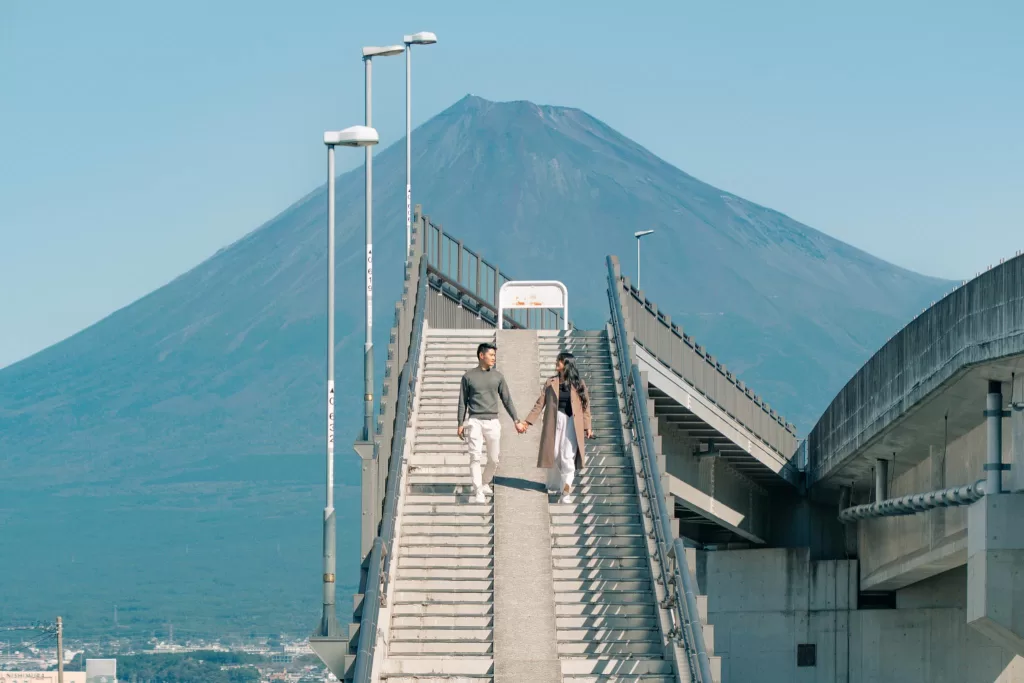
6. Fujisan Yumen Ohashi (Mt. Fuji Dream Bridge): This long, photogenic pedestrian bridge has sweeping views of Mt. Fuji across the river.
💡 Pro tip: It’s a bit farther from the north side, so plan extra time, and come early because a line forms fast! If it’s too crowded, you can go to the opposite side of the bridge and still get great angles.
7. Tenku no Torii (Sky Gate Torii): A torii gate perched on a hillside that perfectly frames Mount Fuji like a floating painting. You can walk up, but it’s a pretty long uphill climb, so we recommend driving if you can. The view at the top is totally worth it.
8. Fujiyoshida Honcho Shotengai: A retro shopping street with old storefronts, cafés, and local shops. Great for quick eats and photos with a perfectly centered view of Mount Fuji towering above.
9. Hakone Day-Trip: Hakone is one of the easiest and most fun day-trips to add to your Mt. Fuji itinerary. It has ropeways, hot springs, lake views, and tons of spots where you can see Fuji from a totally new angle. If you want a change of scenery without going far, Hakone is the perfect quick escape.
- How to get there from Tokyo:
- ✅ Car or bus is recommended: Hakone is fairly close and easy to reach by either, about 1.5 hours by car or 2.5 hours by direct bus.
- ❌ Train is possible but not ideal: It requires two transfers and takes over three hours, so we don’t recommend it.
🗻 Tip: Highly recommend spending a night at Mt. Fuji to fully explore and enjoy the views. If you’re short on time, a combo day tour of Hakone and Mt. Fuji is a great way to experience both.
🎯 Top Things to Do When Mt. Fuji is Cloudy
Mt. Fuji is notorious for low visibility, and it’s only fully visible around 100 days a year, so don’t stress if the clouds roll in. Here is a list of some activities you can do when you can’t snap pics of Mt. Fuji:
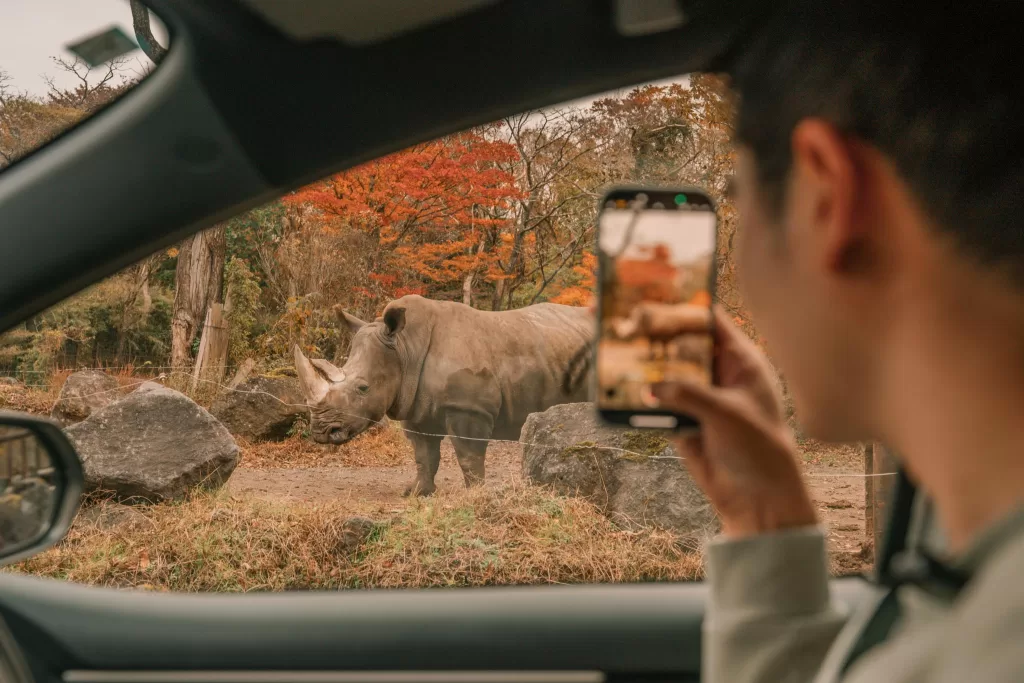
1. Fuji Safari Park
- Explore this wildlife park by your own car, a rental, the park’s Jungle Bus, or on foot. Drive-through safaris let you get up close to lions, tigers, elephants, and more, while walking trails let you enjoy animal encounters and the scenery along the way.
- 🔔 If you drive your own car, check out the Fuji Safari Park website for important safety rules and other details.
2. Shiraito Falls
- Down at the southwestern side of Mount Fuji, it’s one of Japan’s most beautiful waterfalls with thin streams spilling over mossy cliffs like white threads. The trail is lush in spring and full of colorful leaves in autumn.
3. Makaino Farm Resort
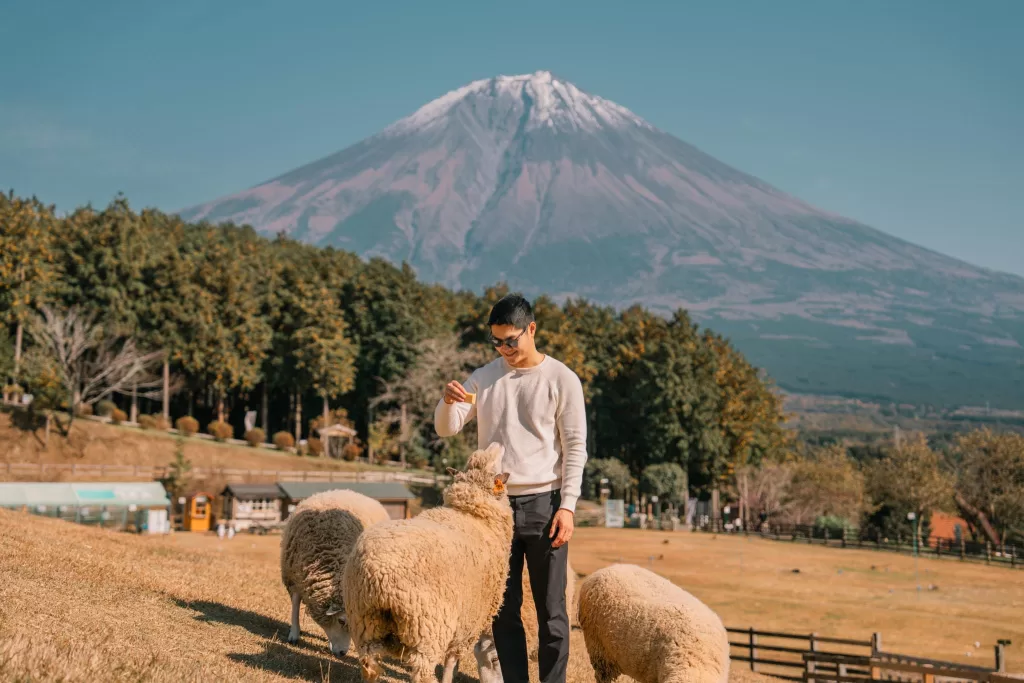
- This interactive farm is best visited when Mt. Fuji is visible, as there are so many picture spots with Mt. Fuji. Even if the mountain isn’t in view, there’s still plenty for kids to enjoy, from feeding farm animals and horseback riding to playing on the playground.
4. Fuji-Q Highland
- This amusement park is well-known for its record-breaking roller coasters, spooky haunted attractions, and fun rides for the whole family.
- 🎟️ Check the weather forecast a day before to avoid strong wind or rain before buying a day pass. If you want priority access, grab a priority pass at the attraction entrance first thing in the morning, as they sell out fast.
🍣 What to Eat in Mt. Fuji
Enjoy Mt. Fuji’s local specialties, from hearty warm hoto noodle dishes to traditional sweet treats. You also can’t go wrong with popular chains like Gyukatsu or Gyukaku!
| Dish | Description | Where to Try |
| Hoto Noodles | Thick, flat noodles served in a warm miso soup with seasonal vegetables. It’s a warm, filling dish typical of the Mt. Fuji area. | Houtou Fudou Kawaguchiko North Main Shop or Kosaku Kawaguchiko (Kawaguchiko) |
| Yoshida Udon | Very chewy udon noodles in a soy-miso broth, often topped with cabbage or meat, a specialty from Fujiyoshida. | Menkyo Kaiden (Fujiyoshida) |
| Shingen Mochi | Soft mochi covered in roasted soybean flour and drizzled with dark brown sugar syrup. | Kinseiken Wagashi Shop (Fujikawaguchiko) |
🗓️ Best Time to Visit
- 🌸 Spring (March–May): You might not always see Mt. Fuji clearly in spring, but you can enjoy cherry blossoms and other flowers like moss phlox and tulips, along with milder weather that makes exploring easier.
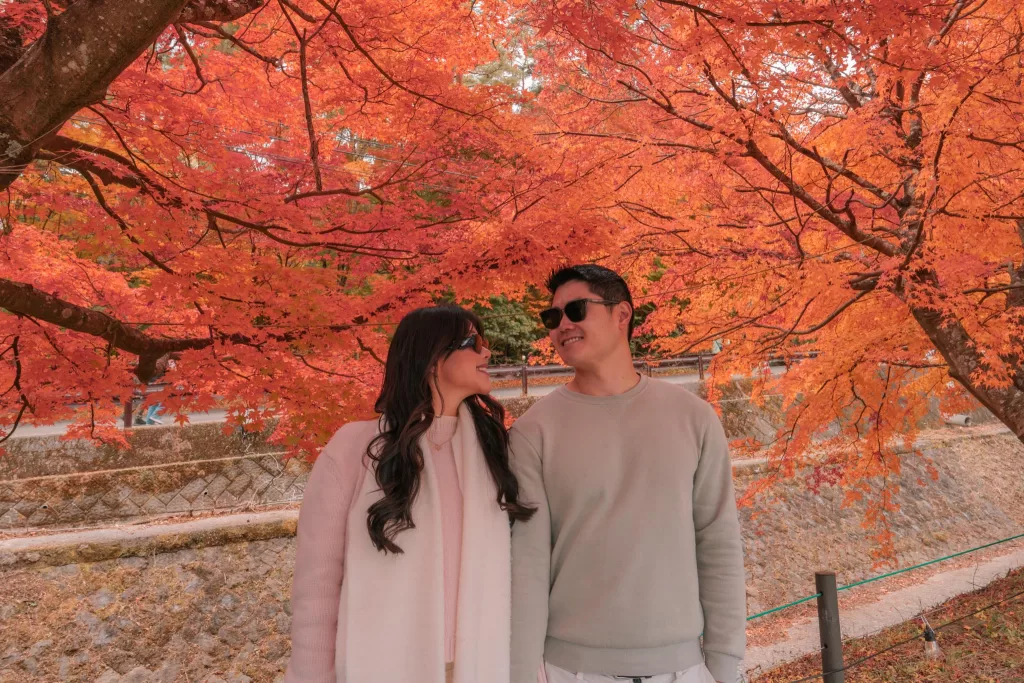
- 🍁 Autumn (September–November): Stunning fall foliage with red and yellow Maple tree leaves and Kochia bushes (turning bright red in late autumn) framing Mt. Fuji, one of the most photogenic seasons.
- ❄️ Winter (December–February): Best time to see Mt. Fuji clearly, with crisp air and the iconic snow-capped Mt. Fuji peak.
- 💡 Tip: Check the Mt. Fuji Skyline Webcam before you go, and plan to stay overnight so you can catch the early morning view when visibility is at its best.
🚫 Avoid summer if you expect to see Mt. Fuji: Summer is not a great time because it is hot, and clouds and haze often cover the mountain.
🛍 Where to Shop
Mt. Fuji isn’t really a big shopping spot, especially compared to Tokyo, but you can still find a few cute places for souvenirs, snacks, and quick essentials.
- Kawaguchiko Station Area: Easy spot for Mt. Fuji snacks, souvenirs, and quick essentials. Perfect for a fast shop before or after exploring.
- Obuchi Sasaba Tea Plantations: Pick up fresh green tea grown right at the foot of Mt. Fuji. It’s a unique local souvenir, and the views here are unreal.
- Oishi Park Souvenir Shop: Cute Mt. Fuji-themed souvenirs, from traditional crafts to local specialties and food souvenirs.
- Gotemba Outlets: If you have a car and are heading to Hakone, you can stop by Gotemba Outlets, one of Japan’s largest malls, and enjoy a great view of Mt. Fuji along the way. It’s a great thing to do if Mt. Fuji is cloudy.
🧭 General Tips for Visiting Mt. Fuji
- Visibility & Timing: Mt. Fuji is only fully visible around 100 days out of the year, so really try to plan for when you are going. The best times to visit are from November to February, when there’s a lower chance of clouds covering Mt. Fuji. Also, you can see the iconic snowy peak on Mt. Fuji!
- When to book your stay: Consider booking your accommodations as late as you can (a few days before) if it’s not going to be a busy season, since the weather around Mt. Fuji can be hard to predict.
- Check Mt. Fuji Livecam before you go: Keep an eye on cloud coverage throughout the day to see if it’s cloudy and where the clouds are. If you scroll down, you can also check other cameras set up in different spots around Mt. Fuji to see what the view looks like around Mt. Fuji (north, south, east, and west).
✨ Final Thoughts
Mt. Fuji isn’t just a destination; it’s an experience that truly wows when you enjoy it in person. From calm lakes and iconic views to quirky local food and fun activities, there’s something here for solo travelers or the whole family.
With a bit of planning around season, weather, and timing, we hope this guide helps you catch those amazing views. No matter how many photos you take, nothing beats seeing Mt. Fuji in person. Even if the mountain is hidden behind clouds, the experience is still unique, so take it all in and enjoy!
– Angelia & Chris