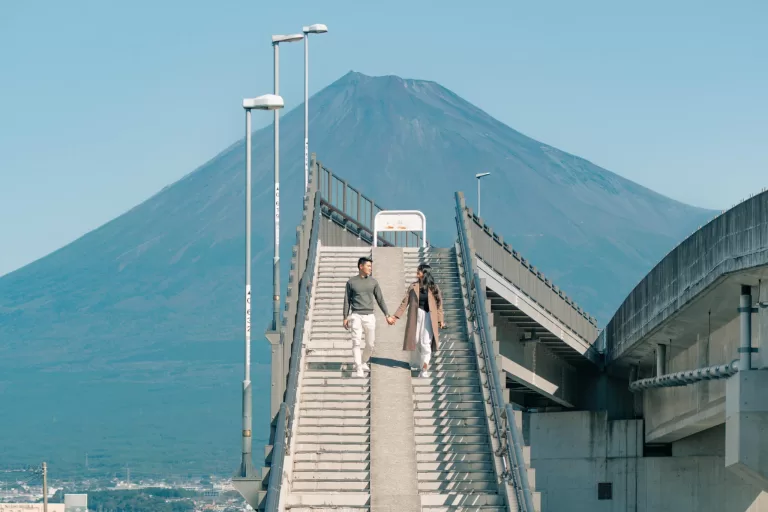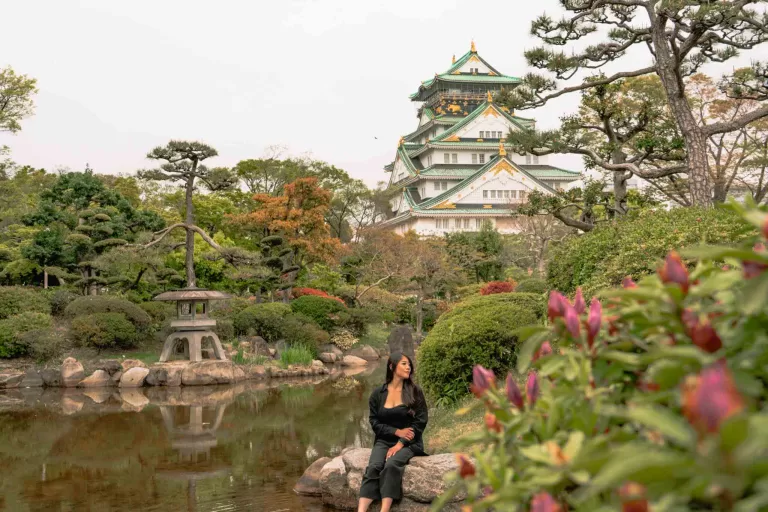
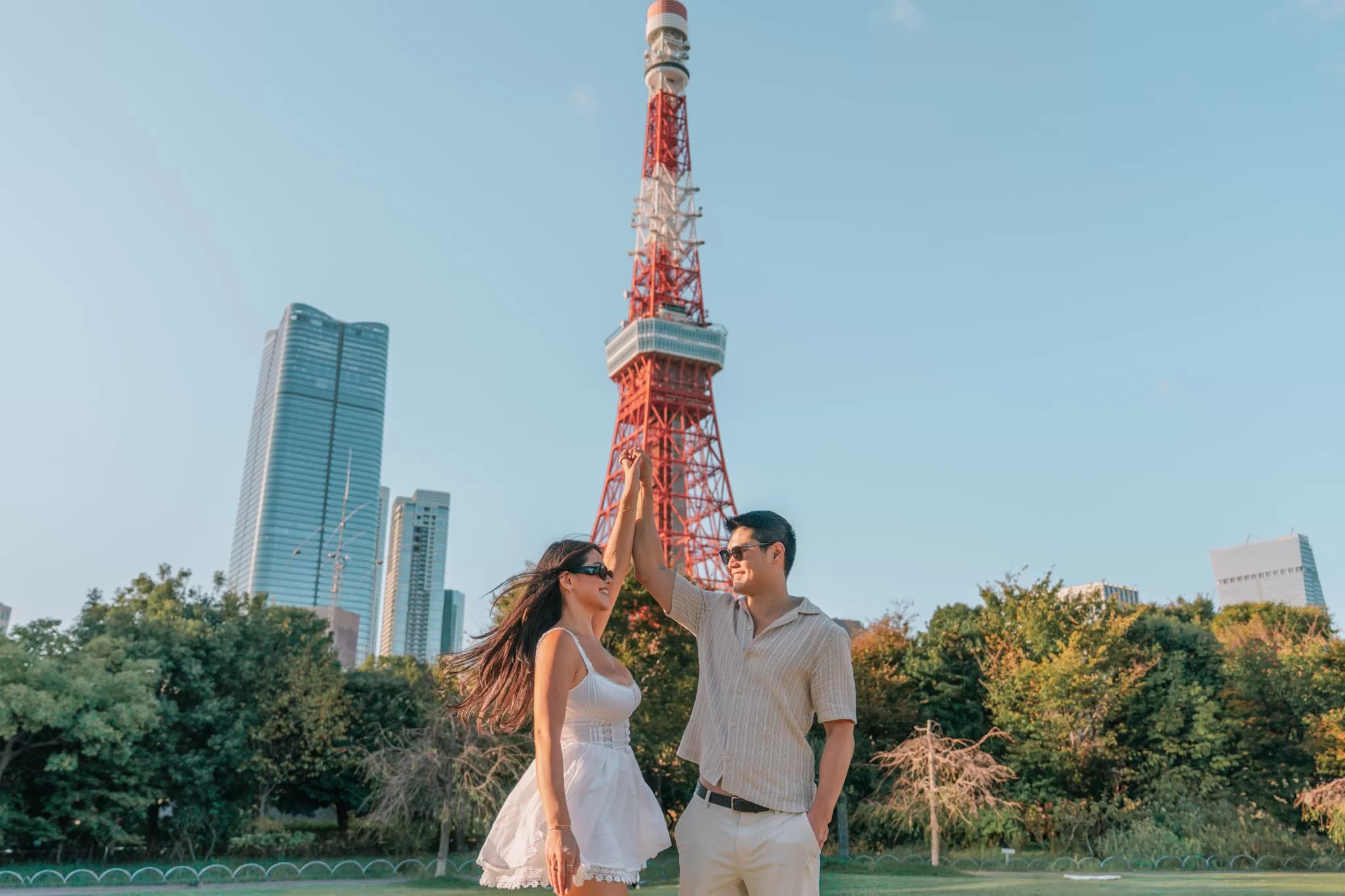
Tokyo is where centuries-old traditions meet futuristic skylines. One moment you’re walking through ancient shrines surrounded by forest, and the next you’re gazing out from a rooftop bar overlooking a sea of neon lights. From sushi breakfasts and hidden ramen shops to art museums and cherry blossoms, Tokyo has something for every kind of traveler.
If it’s your first time in Japan, this guide covers everything you need to plan the perfect trip: how to get around, where to stay, what to eat, and the best things to do.
Planning your first trip to Japan? Check out our 10 Free Things to Do in Tokyo (That Are Actually Amazing!), 2-Week Japan Itinerary, and 10 Must-Know Tips for Traveling Japan blogs for everything we wish we knew before going.
Just a heads up: Some of the links on this site are affiliate links, which means we might earn a small commission if you book or buy through them at no extra cost to you. We only share things we genuinely love, use, or would recommend to our closest friends. All opinions are 100% our own.
Bonus: Use code ANGKLOOK or ANGELIAKLOOK on Klook for 10% off if you’re a new user, or 3% off if you’re an existing one for all of the Klook links.
Overview
- ✈️ Getting to Tokyo
- 🚇 How to Get Around Tokyo
- 🏨 Where to Stay in Tokyo
- 🛏 Recommended Hotels
- 📅 How Long to Stay in Tokyo
- 🎯 Top Things to Do
- 🍣 What to Eat in Tokyo
- 🗓 Best Time to Visit
- 🛍 Where to Shop
- 🧭 General Tips for Visiting Tokyo
- ✨ Final Thoughts
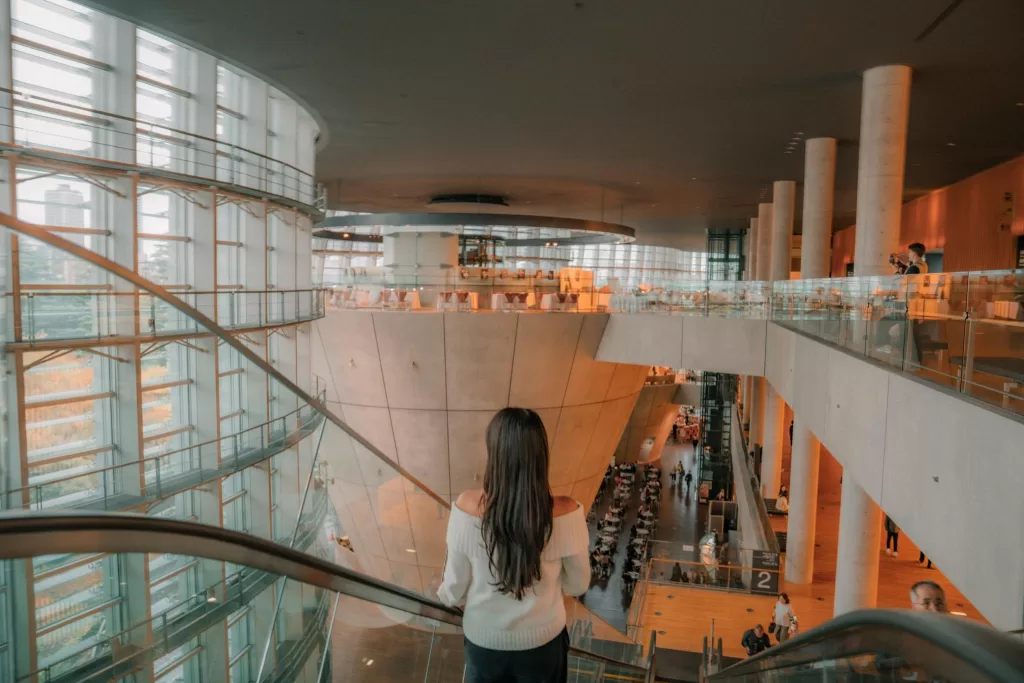
✈️ Getting to Tokyo
Tokyo has two major airports: Haneda (HND) and Narita (NRT). Both are well-connected to the city, with some options to reach central neighborhoods by train, bus, or taxi. Here’s how:
| Mode | Details |
| By Air ✈️ | Haneda is closer to central Tokyo and perfect for early or late flights. Narita is further but accessible via the Narita Express or Keisei Skyliner. Make sure you come in before the trains/buses stop running, or make sure you have a private transfer scheduled from Narita or Haneda. |
| By Train 🚄 | If you’re traveling from another city, book your Shinkansen (bullet train) tickets on Klook for a fast, easy experience. If you’re traveling to multiple cities in a short time, consider getting a JR Pass to ride JR trains, including the Shinkansen, an unlimited number of times for a set period of time. |
🚇 How to Get Around Tokyo
Tokyo’s public transit system is easily one of the best in the world. It’s efficient, clean, and connects you to every neighborhood. Here are the best ways to get around Tokyo, plus some tips to make it all easier.
🚆 Get an IC Card (Public Transit):
Buy a Suica Card or Pasmo Card when you arrive! They are the most popular IC Cards in Tokyo (transportation cards used in most major cities in Japan). You can use them to ride trains and buses, or even at vending machines or convenience stores.
If you have an iPhone, you can add an IC card directly to your Apple Wallet (which we recommend)! This saves you from paying for the physical card deposit (~¥500), lets you top up right from your phone, and lets you pay with your credit card instead of having to pay cash at designated spots (convenience stores, train stations, etc.).
🚄 Trains:
Japan’s trains are incredibly fast and punctual, with several systems running across the city, so it’s worth knowing how different lines work:
- Metro/Subway → Runs within central Tokyo, perfect for sightseeing and short hops
- 👉 Use Klook’s Tokyo Metro Pass for unlimited rides on subways and major lines, perfect for sightseeing days.
- JR Trains → These connect major neighborhoods in Tokyo and nearby cities like Yokohama, Kamakura, and even Mt. Fuji. You’ll use JR lines for longer rides or places the subway doesn’t reach, especially the JR Yamanote Line that loops around all the main areas.
- Shinkansen (High-Speed/Bullet Train) → Best for traveling to other cities across Japan.
- 👉 Get your JR Pass in advance through Klook and have it shipped to your home before your trip. It makes activating and using it in Japan so much easier!
💡 Plan Around Operating Hours: Trains and buses usually stop before midnight, so plan to head home before then and check when lines stop running. Otherwise, you could pay for a pricey late-night taxi with surcharges or walk back to your hotel.
🚌 Bus:
Buses in Tokyo are an easy and affordable way to reach spots that trains don’t. They’re safe, clean, and generally reliable, which is a convenient option for getting around the city.
- How to Pay: Most buses in central Tokyo operate on a flat fare (around ¥210). Simply tap your Suica or Pasmo IC card when entering. You can also pay cash if needed, though buses may not have change for bills larger than ¥1,000.
- Ride Tip: In most buses, you enter through the front door and exit through the middle or back. Even if the middle door opens at stops, make sure you go to the front door to tap your IC card when boarding.
- Pro Tip: Google Maps shows you which bus to take and when it’ll arrive, and it’s usually pretty accurate (though not as accurate as trains)!
🚕 Taxis:
- Reliable but pricey. Best for short trips or late nights after trains stop running.
- Late-Night Surcharge: Expect a 20% surcharge added to the standard fare from 10 PM to 5 AM.

🏨 Where to Stay in Tokyo
Tokyo is huge, and where you stay can completely change your experience. Here’s a breakdown so you can pick the neighborhood that matches your preferences:
- Shinjuku / Shibuya: Best for first-timers who love energy, shopping, and nightlife. You’ll also have direct access to major lines.
- Ginza / Tokyo Station: Perfect for luxury travelers. Great shopping and fine-dining options.
- Roppongi: Best for nightlife, global food, and some of the best Tokyo Tower views, especially around Roppongi Hills. Perfect if you want a lively, international vibe.
- Asakusa / Ueno: Ideal for culture lovers who want temples, traditional snacks, and old-Tokyo charm.
- Nakameguro / Ebisu: Trendy, local neighborhoods with great cafés, restaurants, and more affordable, boutique hotels.
🛏 Recommended Hotels
- Hotel Gracery Shinjuku, Shinjuku – Located in central Shinjuku with an iconic Godzilla head peeking out from the 8th floor. See it roar daily every hour, on the hour, from 12 PM to 8 PM.
- Keio Plaza Hotel Tokyo, Shinjuku – Classic high-rise stay with spacious rooms and easy access to Shinjuku Station.
- Shibuya Excel Hotel Tokyu, Shibuya – Located above Shibuya Station with unbeatable views of the Shibuya Crossing.
- The Tokyo EDITION, Toranomon – Luxurious, modern, and serene with skyline views and an incredible rooftop bar.
- Imperial Hotel Tokyo, Ginza/Tokyo Station – Iconic and elegant, steps away from Ginza’s shopping streets and Tokyo Station.
📅 How Long to Stay in Tokyo
We recommend spending at least 4 to 5 days to experience Tokyo properly (but you could spend several months here and still not see everything). It’s just the right amount of time to see the highlights, explore neighborhoods with different vibes, unwind at shrines and parks, and even take a quick day trip.
Here’s how you can make the most of it:
📅 Day 1 – Shibuya & Harajuku
Dive into two of Tokyo’s most iconic neighborhoods. From peaceful shrines to quirky shops and neon-lit crossings, this day perfectly captures the city’s mix of tradition and trend.
- Walk the Shibuya Crossing and head up to Shibuya Sky for sweeping city views. See the nearby Hachiko Statue!
- Explore Harajuku’s Takeshita Street, filled with quirky shops and colorful fashion.
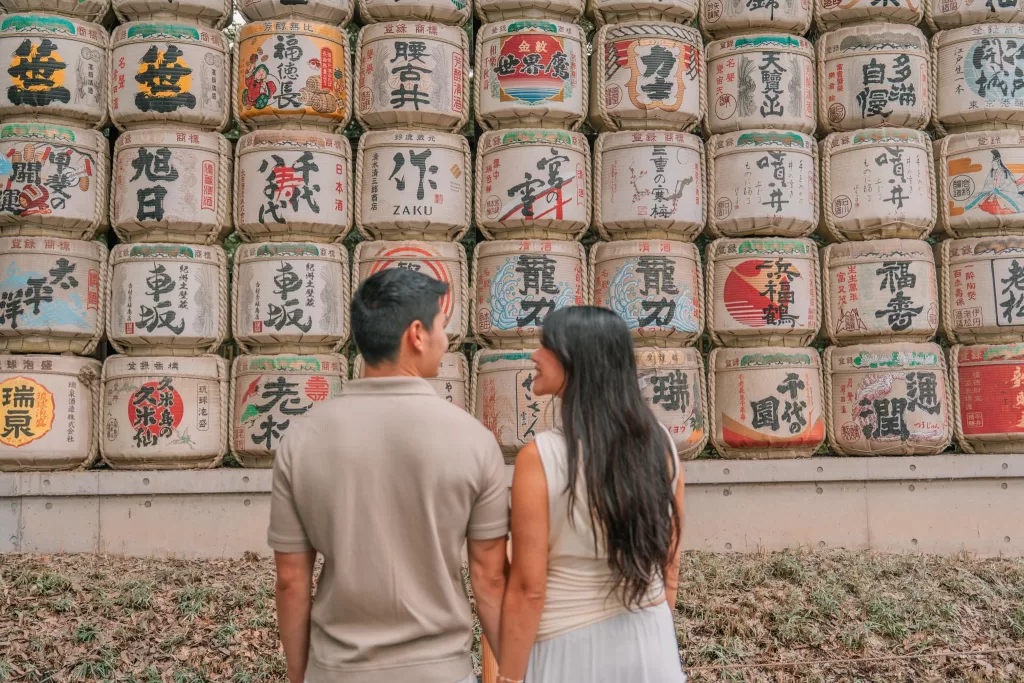
- Visit the tranquil Meiji Shrine for a quiet break surrounded by lush greenery.
📅 Day 2 – Asakusa & Ueno
Step back in time to Tokyo’s old-town charm. Asakusa and Ueno offer a slower pace, where traditional temples, street food stalls, and leafy parks capture the city’s nostalgic side.
- Visit Sensō-ji Temple, Tokyo’s oldest temple and one of its most beautiful landmarks.
- Stroll down Nakamise Street, lined with stalls selling traditional snacks, souvenirs, and local treats.
- Head to Ueno Park, home to museums and cherry blossoms in spring.
📅 Day 3 – Shinjuku & Omoide Yokocho
See Tokyo’s modern side from above and dive into its old-school nightlife. Shinjuku mixes sky-high views with smoky alleys, tasty street eats, and tiny retro bars.
- Enjoy the skyline view from the Tokyo Metropolitan Government Building
- Grab fresh revolving sushi at Himawari Sushi Shintoshin
- Visit the iconic Omoide Yokocho to grab yakitori skewers
- End the night bar-hopping in Golden Gai, famous for its maze of tiny bars, each with its own quirky vibe.
📅 Day 4 – TeamLab Planets and Odaiba
You can either get lost in the dreamy digital world of teamLab Planets or enjoy a relaxed day by the bay in Odaiba with plenty of food, fun, and views.
- Spend your morning at teamLab Planets Tokyo, an immersive digital art museum that feels like stepping into another world.
- Take a train to Odaiba and stroll along the Odaiba Seaside Park waterfront and catch sunset views of the Rainbow Bridge. Make sure to get a picture with the Statue of Liberty there too!
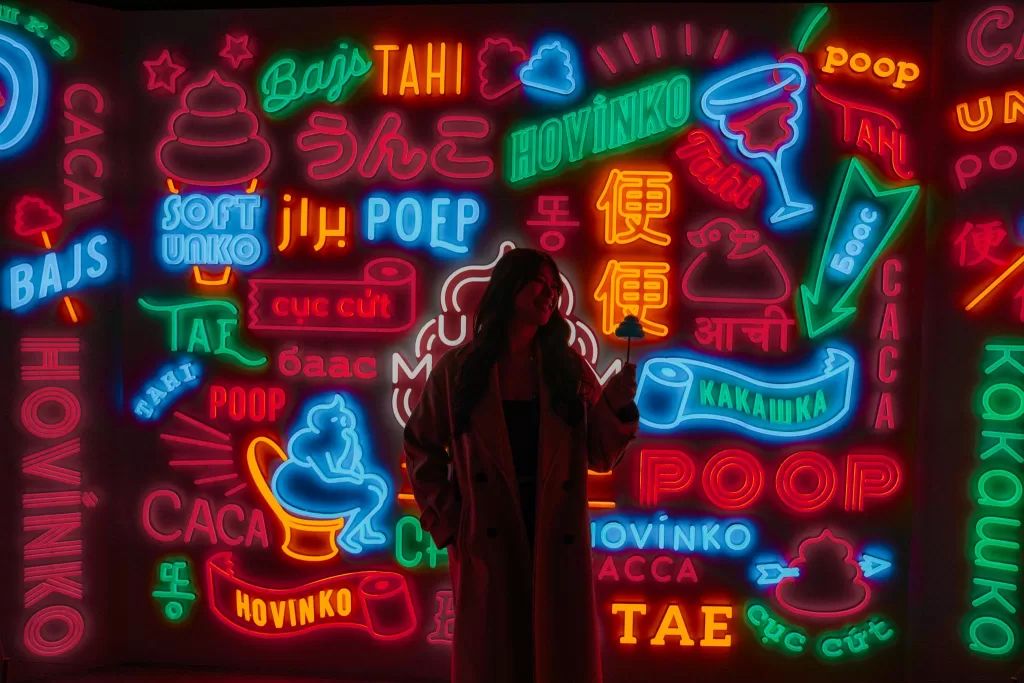
- Visit the Unko Museum for a cute 💩-themed museum!
📅 Day 5 – Day Trip Options from Tokyo: Mt. Fuji, Nikko, Yokohama, or Kamakura & Enoshima
Take a break from the city and spend a day surrounded by nature and history. From peaceful temples and scenic landscapes to charming coastal towns and lively nearby cities, each trip has its own little magic to discover.
- Book a Mt. Fuji & Hakone Day Tour for stunning lake views and mountain scenery.
- Check out our Mt. Fuji Guide for more info on where to stay, what to do, and what to eat!
- Explore Kamakura & Enoshima for peaceful temples, coastal scenery, and charming seaside towns.
- Spend a day in Yokohama, enjoying its vibrant waterfront, cosmopolitan streets, and unique city attractions 👉 This Klook tour combines Yokohama with Kamakura and Enoshima, so you can see it all in one day if you’re short on time.
💡 Check out our 10 Best Day Trips from Tokyo, Kyoto, and Osaka blog for more areas to explore beyond the main cities.
🌟 Plan your trip with our more detailed 2-Week Japan Itinerary, packed with must-see spots, hidden gems, and handy tips for first-time visitors.
🎯 Top Things to Do
Tokyo is a city of contrasts, where bright city lights meet peaceful parks and historic temples. From exploring vibrant neighborhoods and unique attractions to indulging in amazing food and short day trips, here are the must-do experiences you won’t want to miss:
- Visit Sensō-ji Temple and explore Asakusa’s traditional streets
- Book teamLab Planets for an immersive art experience
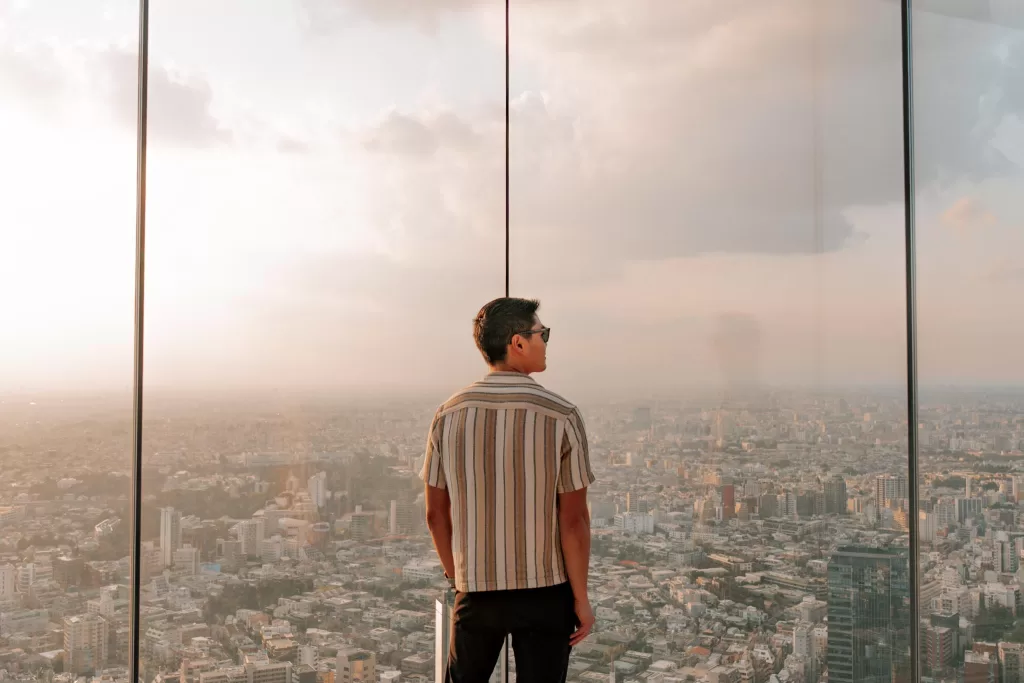
- Experience Shibuya Crossing and catch sunset at Shibuya Sky
- Stroll through Meiji Shrine for calm among chaos
- See panoramic views from Tokyo Tower or Tokyo Skytree
- Enjoy an evening food tour through Shinjuku’s izakayas
- Take a day trip to Mt. Fuji for lakeside views
🎟️ Grab the Klook Pass Greater Tokyo for discounts on Tokyo’s top attractions, including teamLab Planets and Borderless, Tokyo Skytree, Tokyo DisneySea, and even train passes!
🍣 What to Eat in Tokyo
Tokyo’s food scene is full of flavors we can’t get enough of, like fresh sushi, hearty ramen, crispy tempura over rice, and fluffy omurice that’s almost too pretty to eat. Every meal feels special, and here are a few must-tries along with where to find our favorites:
| Dish | Description | Where to Try |
| Sushi | Sushi is vinegared rice topped with fresh seafood, veggies, or other ingredients. It’s one of Tokyo’s most iconic foods, from refined omakase bars to fun conveyor belt spots, and every bite shows Japan’s skill and detail. | Conveyor Belt: Himawari Sushi Shintoshin (Shinjuku) or Uobei (Shibuya) or Standing Sushi: Uogashi Nihon-Ichi (Shinjuku) |
| Ramen | Tokyo’s signature comfort food with springy noodles served in flavorful broth, ranging from rich tonkotsu (pork) to spicy miso and classic shoyu (salt). | Tadaima Henshinchu (Nakano) and Karashibi Miso Ramen Kikanbo Kanda Honten (Kanda) |
| Tendon | Crispy tempura served over steamed rice and drizzled with a sweet soy-based tare sauce. | Rare Tendon Ginza Itsuki (Ginza 👉 reservation recommended) or Tendon Kanekohannosuke Nihonbashi (Nihonbashi) |
| Hamburg Steak | A juicy Japanese-style beef patty served with rich demi-glace sauce, often paired with rice or vegetables. | Hikiniku to Come (Shibuya 👉 reservation required) |
| Omurice | A comforting Japanese classic featuring a fluffy omelet over seasoned fried rice, often topped with rich demi-glace, ketchup, or cream sauce. It’s simple yet theatrical, especially when the soft omelet is sliced open to drape over the rice. | EDW yellow (Shibuya), Ikura (Shibuya), or Kichi-Kichi (In Kyoto, but still deserves a mention!) |
| Kaisendon | A fresh seafood rice bowl topped with sashimi like tuna, salmon, uni, and ikura. Each bowl is beautifully presented and often finished with dashi broth poured over. | Nihonbashi Kaisen Don Tsujihan (Muromachi / Nihonbashi / Minato / Kagurazaka 👉 Muromachi generally has a shorter wait) |
🗓️ Best Time to Visit Tokyo
Tokyo is lively year-round, but the experience can change a lot depending on the season. Whether you want to catch cherry blossoms, enjoy mild weather, or see vibrant autumn colors, here’s a simple guide to help you plan your visit.
- 🌸 Spring (March–May): Cherry blossoms and mild weather make this the most magical time to visit.
- Spring perks: Enjoy cherry blossoms in full bloom, indulge in sakura-themed treats and seasonal goodies, and explore the city in comfortable weather (summer can be too hot, winter too cold)
- Good time to visit Mt. Fuji: Visit in early to mid-spring (March–April) to see the snowcapped mountain and snap it perfectly framed with cherry blossoms.
- 🍁 Autumn (September–November): Crisp air and red maple leaves perfect for photography.
- Autumn Colors: Perfect for spotting cosmos, red/orange leaves, and vibrant kochia bushes to see on day trips to Oishi Park near Mt. Fuji or Hitachi Seaside Park in October.
🚫 Avoid: Golden Week (late April to early May) when domestic travel peaks, and Summer, since it’s extremely hot and still very busy.
🛍 Where to Shop
Tokyo is a shopping dream with something for everyone. Whether you’re hunting for high-end brands, fashion, vintage gems, cute souvenirs, or traditional keepsakes, these neighborhoods offer the best spots to browse, discover, and experience the city’s vibrant shopping culture:
- Ginza: Flagship stores like a 12-story Uniqlo and Muji, and luxury flagship stores like Chanel, Louis Vuitton, Bvlgari, and Dior.
- Shibuya & Harajuku: Streetwear, vintage, and youth fashion.
- Shimokitazawa: Thrift shops, record stores, and retro cafés.
- Akihabara: Electronics, anime, manga, and collectibles.
- Nakamise Street: Traditional souvenirs, snacks, and trinkets near Sensō-ji Temple in Asakusa.
🧭 General Tips for Visiting Tokyo
A little preparation and learning about Japan can go a long way in making your trip more enjoyable. These are tips we learned in Tokyo that made getting around, staying connected, and navigating local customs much easier:
- Wear comfortable shoes because you’ll walk a lot.
- Get an Holafly eSIM using code HELLOANG for 5% off to stay connected from the moment you land.
- Trains and buses generally stop by midnight, if not earlier, so plan your route back.
- Carry cash since some small shops or shrines don’t accept cards.
- Be mindful of local etiquette, like speaking softly on trains and lining up properly.
- Make restaurant reservations early since many popular spots book out weeks in advance.
- Convenience stores like 7-Eleven, Lawson, and FamilyMart are lifesavers for snacks, water, and ATMs. Don’t miss our top 25 must-try snacks from Japan’s convenience stores (coming soon)!
✨ Final Thoughts on Tokyo
Tokyo is a city that never stops inspiring us. Every trip feels new; even when we revisit the same places. There’s always another hidden café, view, or new dish waiting.
From neon lights in Shinjuku to peaceful mornings at Meiji Shrine, Tokyo is a city that blends the future and deep tradition in the most beautiful way. It’s the perfect mix of wonder, culture, and style, and one that keeps calling us back again and again.
Whether you’re here for the first time or returning for the tenth, Tokyo will always have something new to show you.
— Angelia & Chris