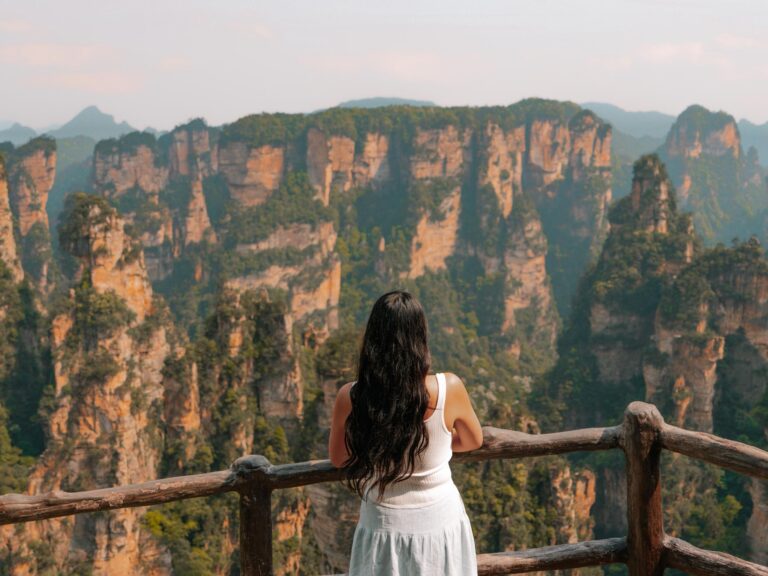
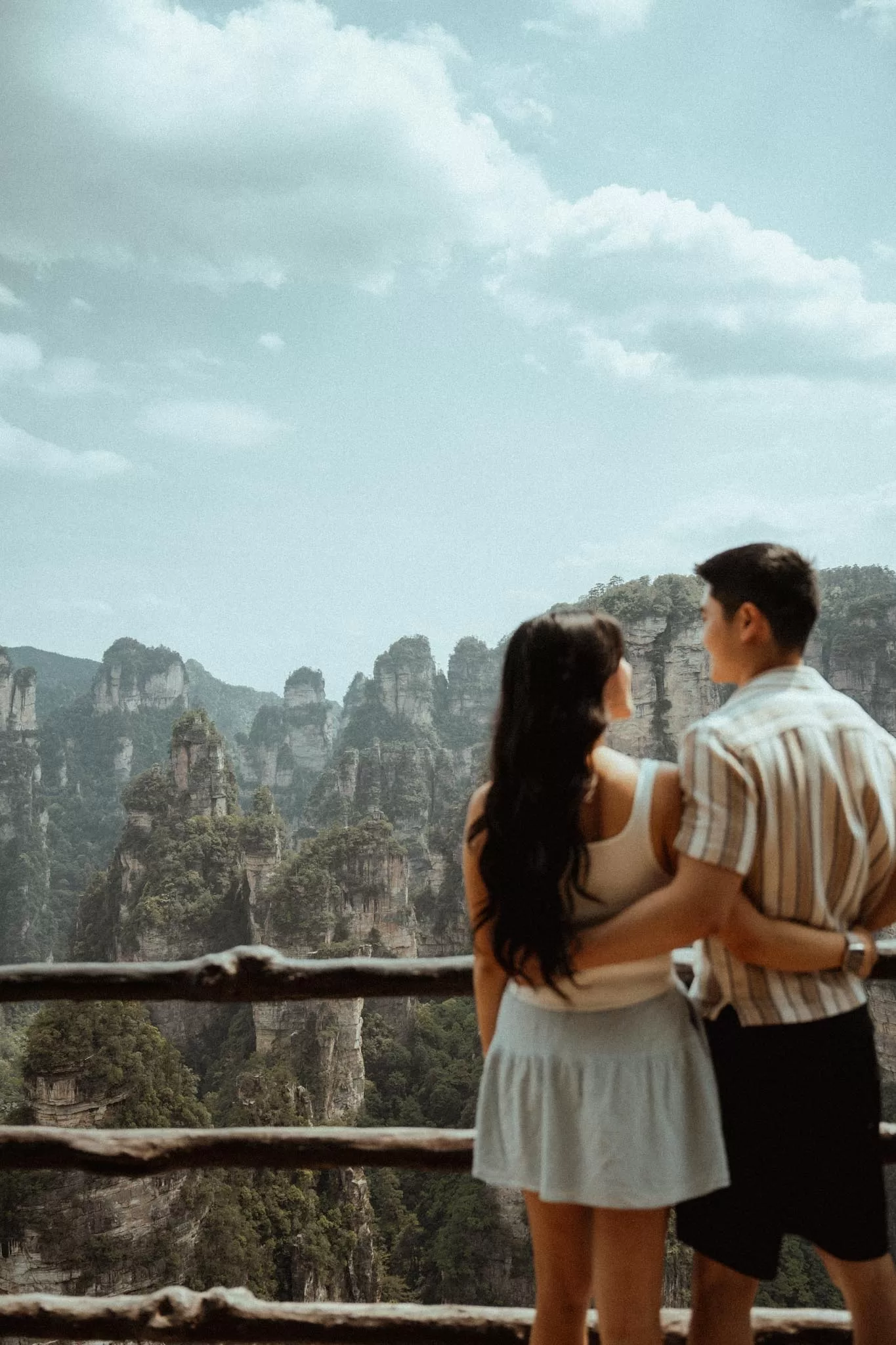
Zhangjiajie is China’s real-life fantasyland, where towering sandstone spires float above misty forests and glass walkways cling to cliffs. It’s even the place that inspired Avatar’s Hallelujah Mountains, but even Hollywood can’t do it justice.
We’d seen the photos and drone shots all over Instagram and TikTok, but nothing compares to seeing it in person. Between the national park, the glass sky bridges, and hidden lakes, this is one of the most surreal places we’ve ever visited.
That’s why we created this guide; to help you make the most of your trip with all the essential tips and scenic highlights we discovered along the way.
But before you dive in, don’t miss our 10 Essential China Travel Tips for First-Time Visitors (2025 Guide)—packed with everything we wish we knew before visiting!
Just a heads up: some of the links on this site are affiliate links, which means we might earn a small commission if you book or buy through them—at no extra cost to you. We only share things we genuinely love, use, or would recommend to our closest friends. All opinions are 100% our own.
Bonus: Use code ANGKLOOK or ANGELIAKLOOK on Klook for 10% off if you’re a new user, or for 3% off if you’re an existing one for all of the Klook links!
Overview:
- Getting to Zhangjiajie
- How to Get Around Zhangjiajie
- Where to Stay in Zhangjiajie
- Recommended Hotels
- How Long to Stay in Zhangjiajie
- Top Things to Do
- What to Eat in Zhangjiajie
- Best Time to Visit
- Where to Shop
- General Tips for Visiting Zhangjiajie
- Final Thoughts
✈️ Getting to Zhangjiajie
Zhangjiajie may feel remote, but it’s surprisingly easy to reach by air or rail. Most travelers arrive in Zhangjiajie City and stay in Wulingyuan, the best base for exploring the national park, thanks to its close proximity to the scenic areas.
| Mode | Details |
| By Air ✈️ | Fly into Zhangjiajie Hehua International Airport (DYG). It’s about 30–40 minutes to Wulingyuan or downtown hotels via DiDi or shuttle. |
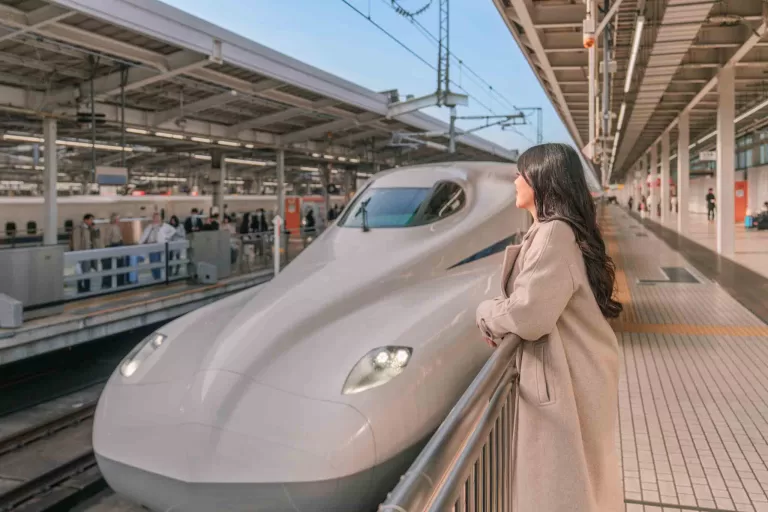
| By Train 🚄 | Alternatively, if you prefer traveling by rail, trains conveniently connect Zhangjiajie with major cities like Changsha, Chongqing, and Chengdu. Once you arrive at Zhangjiajie West Station, you’ll need to transfer by bus or DiDi to Wulingyuan or Zhangjiajie city, which takes around 40–60 minutes, depending on traffic. For our trip, we took a 6-hour hard sleeper train from Chongqing to Zhangjiajie. It was our best option and allowed us to rest, but if you can, book the bullet train instead. It’s much faster, more comfortable, and more modern. 💡 Tip: Train tickets sell out fast, especially sleeper cabins, so book as early as you can. Tickets typically become available 14 days in advance on Trip.com, and we found it easy to reserve. |
🚗 How to Get Around Zhangjiajie
Getting around is easy with the right tools. We mainly used DiDi and park shuttles, which made getting between the city and scenic areas simple. Whether you’re navigating between districts or exploring inside the parks, here are the best ways to get around:
- DiDi: Taxis via DiDi are a convenient way to get around Zhangjiajie City and the Wulingyuan area—this was our main mode of transport between the two.
- Just a heads-up: 6-seater cars weren’t available during our visit, so if you’re traveling with a larger group, split up or plan ahead.
- Just a heads-up: 6-seater cars weren’t available during our visit, so if you’re traveling with a larger group, split up or plan ahead.
- Park Shuttle Buses: Inside Zhangjiajie National Forest Park, frequent and well-organized shuttles run between entrances, trailheads, and major viewpoints in the scenic areas—and they’re included with your park ticket.
- City Buses: While Zhangjiajie doesn’t have a metro system, public buses are available for getting around the city and traveling between Zhangjiajie City and Wulingyuan.
- On Foot: Be prepared to walk. Trails include stairs, boardwalks, and glass bridges, so make sure to wear comfortable shoes!
🏨 Where to Stay in Zhangjiajie
Don’t let the name fool you. While the entire region is called Zhangjiajie, most of the top attractions, including the national park, are actually located in Wulingyuan. That’s why choosing where to stay can really shape your trip experience, so it’s worth picking your base wisely. Here’s a quick breakdown to help you decide what area works best for your itinerary:
- 🌲 Wulingyuan District: Overall, it’s the best base for exploring Zhangjiajie National Forest Park since it’s just minutes from the entrance with no need for long transfers. Plus, it’s quiet, scenic, and ideal for early starts. We stayed here and loved how easy it made getting around.
- 🏙 Zhangjiajie City: On the other hand, Zhangjiajie City is closer to Tianmen Mountain, the 72 Strange Buildings, and the train station, making it ideal for late arrivals, quick stays, or more dining options. However, it’s a 40–60 minute ride to the national park in Wulingyuan.
🛏 Recommended Hotels
Hilton Garden Inn Zhangjiajie Wulingyuan – Clean, modern, and just minutes from the park entrance, making it great for a comfortable and convenient stay.
Wyndham Zhangjiajie Wulingyuan – Upscale hotel with mountain views, spacious rooms, and easy access to nearby attractions.
Pullman Zhangjiajie – Full-service hotel with large rooms and a great location near park shuttles. A solid value for the price.
⏰ How Long to Stay in Zhangjiajie
We recommend spending 4-5 days in Zhangjiajie to fully explore the region’s epic landscapes, skywalks, and cultural highlights without rushing. Get your Zhangjiajie Park tickets with Klook here, and reserve the package with the Three Cableways and Bailong Elevator (Multi-trip tickets)
Here’s how to pace your trip:
📅 Day 1 – National Park Highlights
Kick off your adventure with the most iconic sights inside Zhangjiajie National Forest Park. From sky-high elevators to floating peaks, this day is all about dramatic views and bucket list moments.
- Start early and head into Zhangjiajie National Forest Park from the East Gate (Biaozhimen Gate)
- Take the Bailong Elevator up and go to Yuanjiajie (the “Avatar Mountains”)
- Catch sunset views from Tianzi Mountain and take the cable car back down
📅 Day 2 – Lakes, Peaks & Peaceful Trails
This day is more relaxed, giving you a chance to enjoy the quieter side of the park. You’ll explore less crowded trails, scenic viewpoints, and end with a calm lake ride nestled in the mountains.
- Stroll or take the mini train through Ten Mile Gallery, a scenic route lined with cliffs and forested peaks
- Visit the quieter Three Sisters Peak for panoramic views without the crowds
- End the day with a tranquil boat ride on Baofeng Lake, surrounded by lush mountains and waterfalls
📅 Day 3 – Tianmen Mountain & Final Views
Tianmen Mountain is one of Zhangjiajie’s most iconic sights, famous for its jaw-dropping cable car ride, cliffside walkways, and stunning views from above.
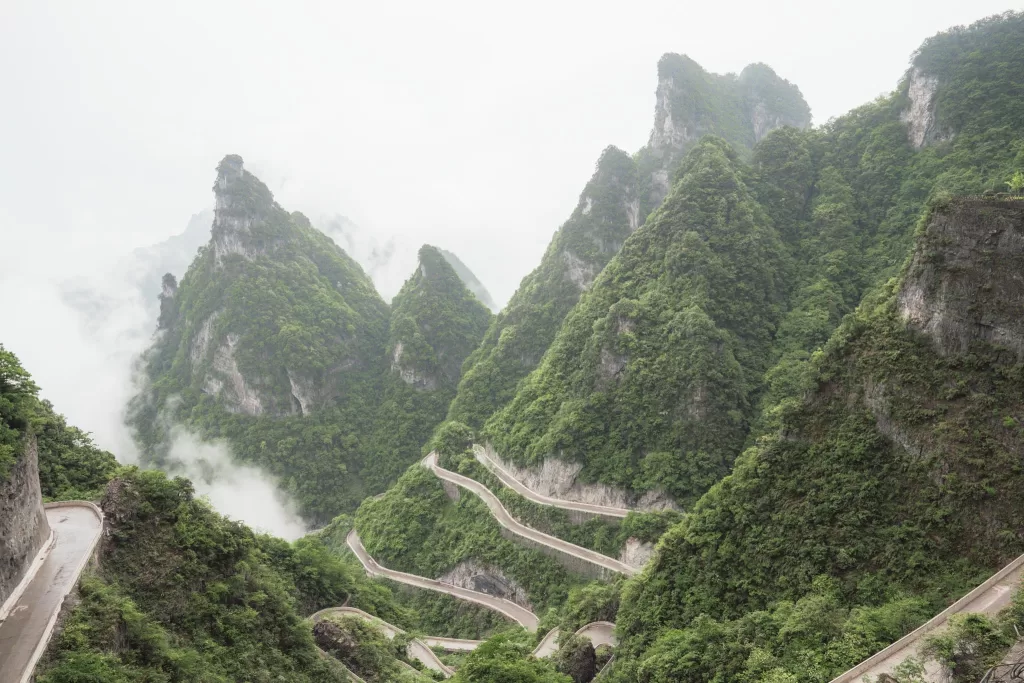
- Ride the world’s longest cable car up Tianmen Mountain, soaring over cliffs and winding roads
- While you’re on the mountain, walk on the iconic Glass Skywalk, a clear path clinging to the cliff’s edge with dramatic valley views
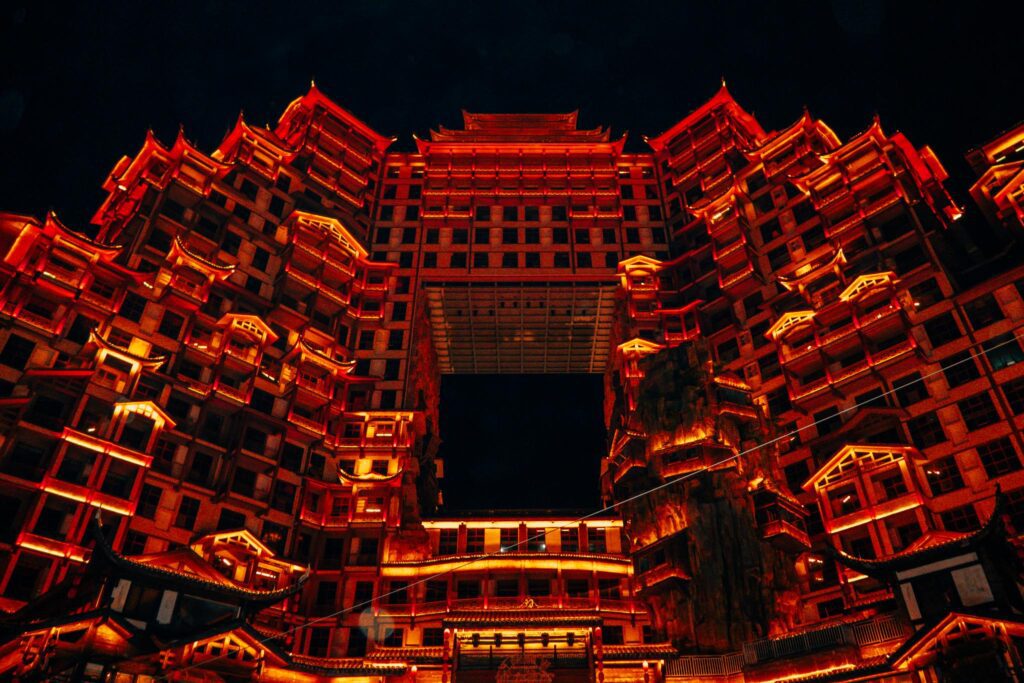
- Lastly, visit the 72 Strange Buildings in Zhangjiajie after sunset for a light and music show to end your day!
💡 Tip: Book your Tianmen Mountain ticket in advance on Klook (we recommend Route A) to secure your cable car slot. Also, note that Tianmen Mountain requires a separate ticket from Zhangjiajie National Forest Park.
📅 Day 4 – Day Trip to Furong Ancient Town
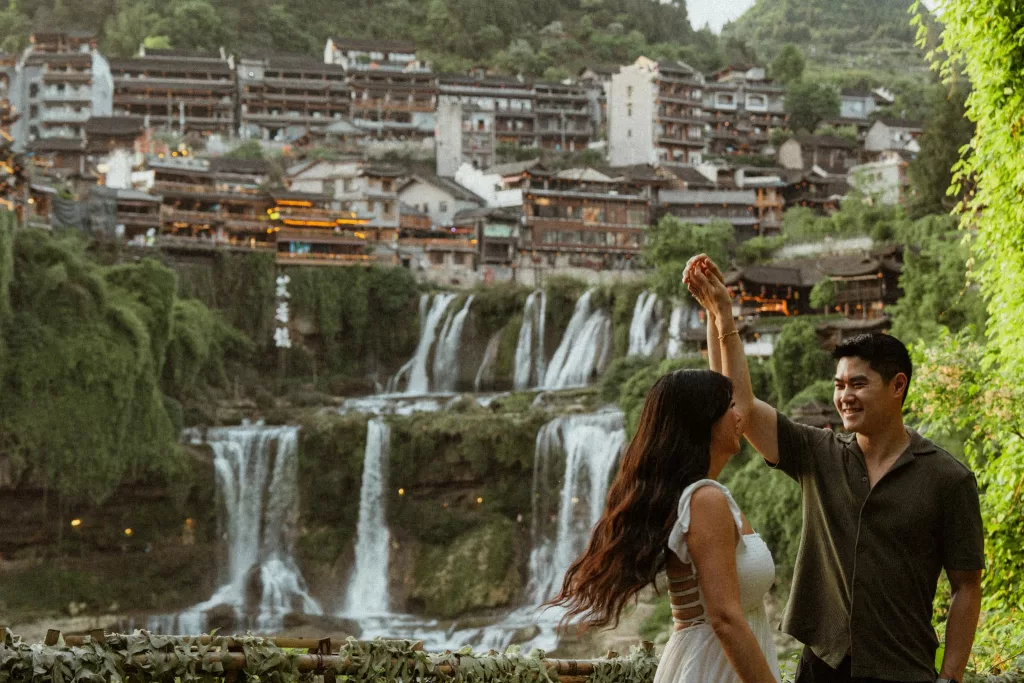
Take a half-day trip to Furong, a beautiful cliffside town built over a cascading waterfall.
- Wander the narrow cobbled streets, explore the ancient Tujia stilt houses, and take in views of the You River Waterfall
- Stick around into the evening to watch the waterfall light up at night. It’s a magical sight as it glows against the backdrop of the historic town
- Grab lunch at a riverside restaurant and soak in the slower pace before heading back to Zhangjiajie in the afternoon
📅 Day 5 – Explore Fenghuang (Phoenix Ancient Town)
Wrap up your trip with a visit to Fenghuang, one of China’s most beautiful ancient towns.
- Stroll along the Tuojiang River, explore lantern-lit alleys, and cross the iconic Rainbow Bridge
- Visit local shops, sip tea riverside, and take in the town’s traditional Miao architecture
- Consider staying overnight to see the town beautifully illuminated after dark. It’s a magical way to end your trip
Looking for more inspiration or a step-by-step route? Don’t miss our complete 2-week China itinerary! It’s filled with iconic landscapes, travel tips, and epic photo spots, including in Zhangjiajie!
🌄 Top Things to Do
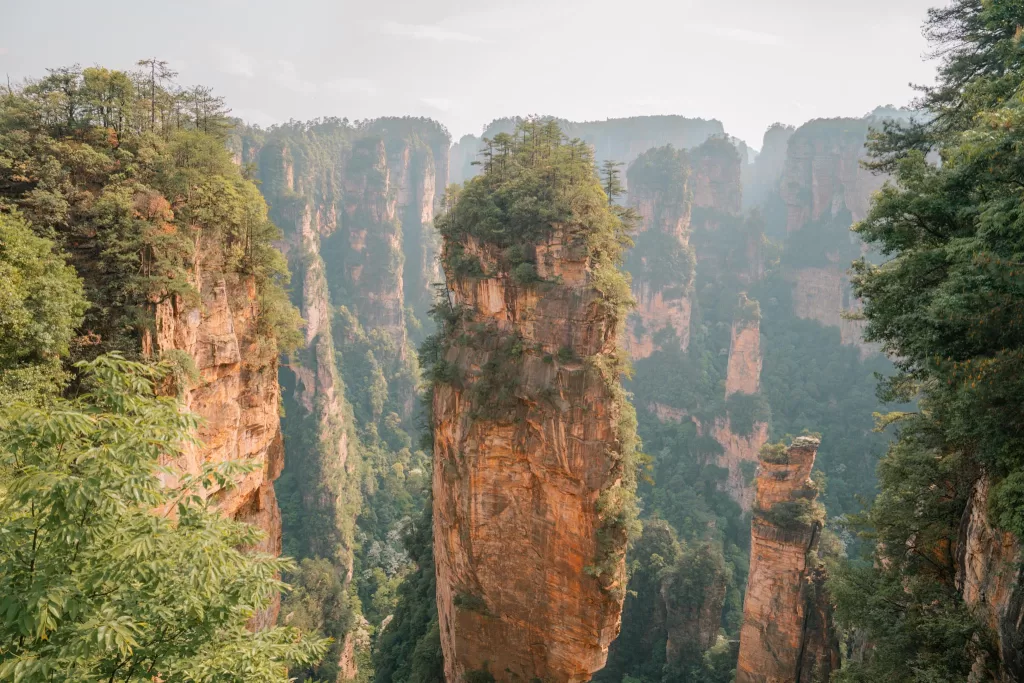
Zhangjiajie is packed with jaw-dropping landscapes and bucket-list experiences like sky-high glass walkways to surreal mountain peaks that inspired Avatar. Whether you’re chasing adventure or peaceful nature, here are the top sights you shouldn’t miss:
(Note: Some attractions below like Tianmen Mountain or the Grand Canyon Glass Bridge require separate tickets from the main Zhangjiajie National Forest Park entry.)
🌲 In the Scenic Areas
- Zhangjiajie National Forest Park (⭐): Walk through the famous Avatar Hallelujah Mountains, Golden Whip Stream, and take the Bailong Elevator, the world’s tallest outdoor lift.
- Tianmen Mountain (⭐): Take the world’s longest cableway, walk on glass cliffs, and visit the Heaven’s Gate Arch.
- Tianzi Mountain + Yuanjiajie: Iconic pillar formations and sweeping views; ride the cable car for jaw-dropping scenery.
- Grand Canyon Glass Bridge: Cross one of the world’s highest and longest glass bridges (buy tickets in advance).
🏞️ Nature & Cultural Highlights
- 72 Strange Buildings (⭐): Guinness World Record–holding stilted structures. Go after sunset for the light show + cultural performance.
- Baofeng Lake: Boat across a peaceful lake surrounded by steep cliffs and lush greenery.
- Yellow Dragon Cave: Massive karst cave with waterfalls, underground rivers, and stalactites.
🍲 What to Eat in Zhangjiajie
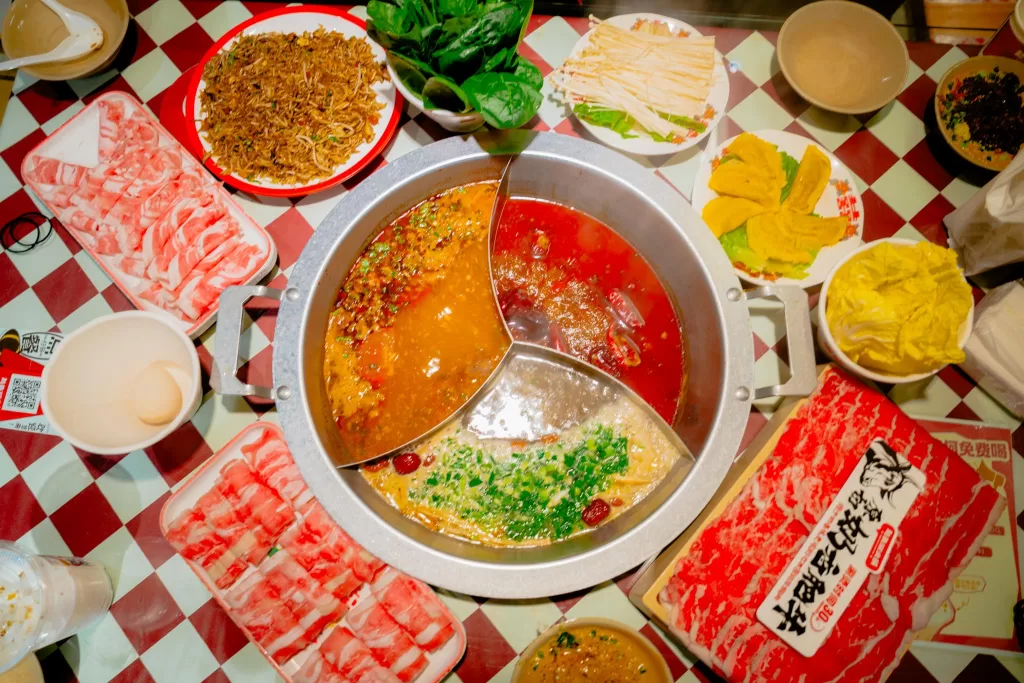
Zhangjiajie isn’t just about dramatic landscapes. The local cuisine is bold, comforting, and spicy, with influences from Tujia culture and nearby Sichuan. From sizzling hotpots to braised specialties, here are must-try dishes to fuel your mountain adventures:
| Dish | Description | Best Spots |
| 🍲 Sanxiaguo (三下锅) | Meaning “three-in-one pot,” this spicy hotpot (dry or soupy) combines meat, tofu, and veggies stir-fried in rich chili oil. Bold, smoky, and perfect for sharing. | Li Hanhan’s Three-Delicacy Hot Pot (李憨憨三下锅•大山湘西菜(月亮湾店)) – Local favorite for its “three-in-one” pot featuring a savory combo of pork and beef. Perfect if you want to try a classic Xiangxi comfort meal in one hearty dish. |
| 🥓 Tujia Braised Pork | A slow-cooked dish from the Tujia minority, featuring tender pork belly braised in soy sauce, spices, and local aromatics. Rich, savory, and full of deep flavor. | Mao’s Small Restaurant • Specialty Dishes (毛氏小馆•特色菜) – Casual eatery serving spicy Hunan classics like red-braised pork, inspired by Chairman Mao’s hometown flavors. |
| 🍄Hot Pot | Local twist on spicy hotpot, often featuring wild mountain ingredients like mushrooms and cured meats. Known for its bold chili flavor and numbing Sichuan peppercorn kick, perfect for adventurous eaters. | Factory Flower Cuicui Jiugong Ge Hot Pot (Zhangjiajie Branch) (厂花翠翠九宫格火锅(张家界店)) – Stylish, modern hot pot restaurant known for its fun factory-themed decor and rich, spicy broths, great for a lively night out. |
🗓️ Best Time to Visit
Zhangjiajie’s stunning scenery changes with the seasons, so timing your visit matters for weather, visibility, and crowds. So here’s a quick guide to help you pick the best time to go:
- 🌸 Spring (March–May):
- Mild temperatures and comfortable hiking weather
- Lush greenery and blooming flowers
- Clearer skies for views from mountaintops and cable cars
- Fewer crowds compared to peak holidays
- Mild temperatures and comfortable hiking weather
- 🍂 Autumn (September–November):
- Crisp, dry weather. Ideal for hiking and photography
- Stunning fall foliage in the forests and valleys
- Less rain and better visibility than summer
- Fewer tourists outside of Golden Week and the Mid-Autumn Festival
- Crisp, dry weather. Ideal for hiking and photography
🚫 Avoid: Summer (humid + crowded), and Golden Week (Oct 1–7) when domestic travel peaks.
🛍️ Where to Shop
While Zhangjiajie is more about nature than retail therapy, here are a few good spots to pick up unique souvenirs, snacks, and locally made goods:
- Wulingyuan Markets: Souvenirs, handmade crafts, wooden carvings, and local snacks.
- Tujia Folk Custom Park: Traditional crafts, cultural souvenirs, and handmade goods that showcase the heritage of the Tujia
- Downtown Zhangjiajie: Smaller shopping centers with local specialties like medicinal herbs and teas.
💡 General Tips for Visiting Zhangjiajie
Zhangjiajie’s beauty is unmatched, but exploring it does take a bit of planning. From navigating large parks to tackling steep trails, and with limited English spoken, it’s easy to feel overwhelmed. To help you out, these quick tips will keep you comfortable, prepared, and make your visit smoother:
- Wear proper hiking shoes – Trails in the parks include steep stairs, rocky paths, and glass walkways. Grippy, comfortable shoes are a must.
- Start early – Scenic areas open around 7:00 AM. Getting an early start helps you beat the crowds and enjoy better views before the fog or heat rolls in.
- Bring snacks and water – Since the park is massive and involves a lot of hiking, it’s important to stay fueled and hydrated. Food stalls are spread out and limited, so pack your own snacks for long trails or breaks between scenic areas.
- Download translation and offline map apps – Since English signage and data are limited in some areas, apps like Baidu (for translation) and Maps.me (offline hiking routes) are super helpful.
- Book major tickets in advance – For popular spots like the Glass Bridge or Tianmen Mountain, reserve entry tickets ahead of time, especially on weekends or holidays.
🧳 Final Thoughts: Is Zhangjiajie Worth Visiting?
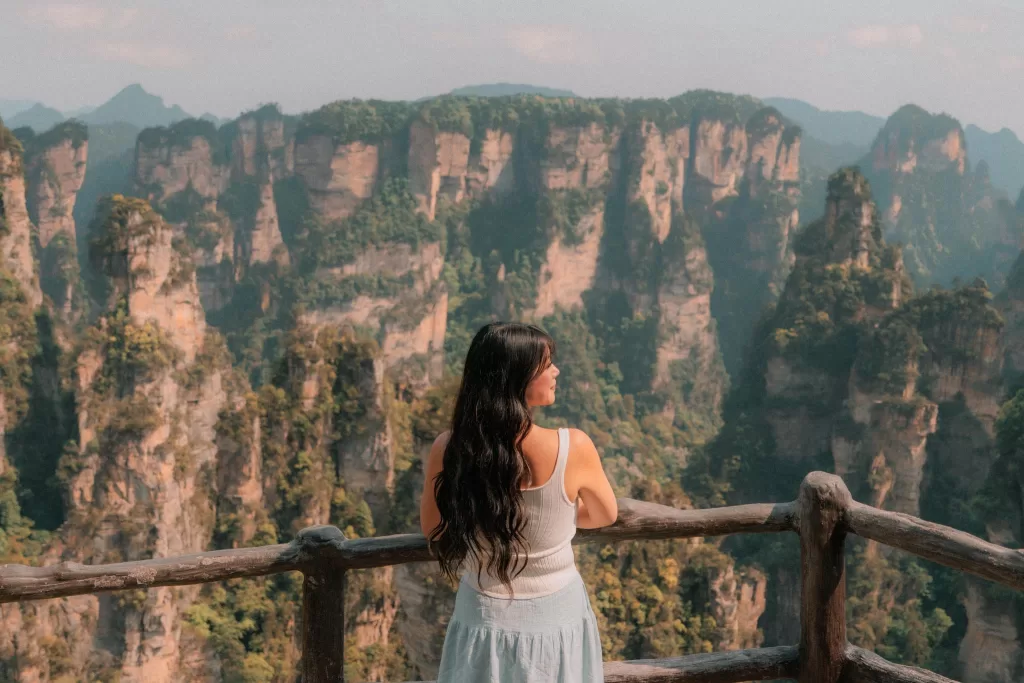
Zhangjiajie is one of those rare places that really lives up to the photos. With its towering sandstone peaks to cliffside skywalks, the landscapes are dramatic, unique, and well worth the effort to reach.
While it takes some planning, especially with logistics between the city and the parks, the payoff is huge. In return, you’ll get incredible views, rewarding hikes, and a deeper glimpse into a part of China that feels totally different from its major cities.
So if you’re into nature, hiking, or just want to see something truly different, Zhangjiajie should absolutely be on your China itinerary. We’re so glad we made the trip, and we hope this guide helps you do the same!
— Angelia & Chris